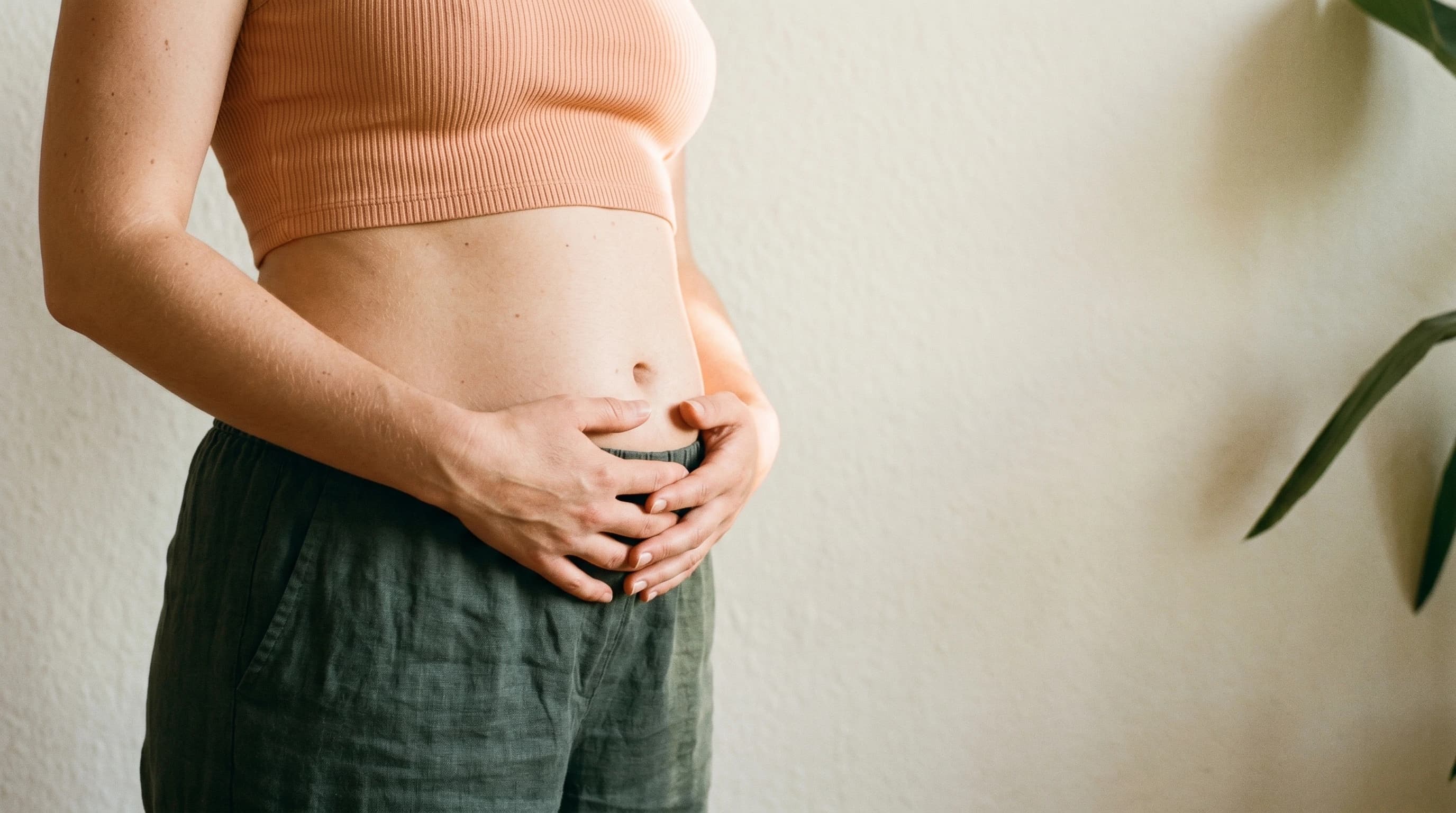
Abdominoplasty · W-shaped incision
Abdominal skin that no longer goes back — tightened precisely, with a scar that disappears under a bikini and underwear.
Treatment
What is Tummy tuck?
The tummy tuck (abdominoplasty) is a surgical procedure to remove excess abdominal skin — typically after pregnancy, pronounced weight loss or bariatric surgery. At the Ästhetik am Isartor practice in Munich it is offered under the medical direction of Dr. Fabian Weinschenk in two variants: the mini tummy tuck (1–2 hours) for a circumscribed excess of skin below the navel, and the full tummy tuck (3.5–5 hours) where the findings are more pronounced. The focus of the practice is the W-shaped incision: the scar sits lower than with the classic curved incision, stays hidden under a bikini and underwear, and allows tension to be distributed more evenly. Alongside it, a rectus diastasis (the separation of the straight abdominal muscles after pregnancy) can be corrected in the same session. The operation is carried out under general anaesthesia with 1–2 nights as an inpatient.
Suitability
Who is Tummy tuck suitable for?
A tummy tuck is typically considered after pregnancy or pronounced weight loss — when the skin no longer returns to its original tension. It does not replace losing weight; it reshapes afterwards.

Suitable for
A tummy tuck is suitable where there is excess skin on the lower abdomen after pregnancy, bariatric surgery or substantial weight loss, where there is a rectus diastasis (a separation of the straight abdominal muscles), and where there are functional complaints such as moisture and irritation in the skin folds. The requirements are a weight that has been stable for several months, a healthy lifestyle and realistic expectations.
Not suitable for
A tummy tuck is not advisable where family planning is not yet complete — a further pregnancy stretches the abdominal skin again. Where there is significant excess weight we would first like to work with you on stabilising your weight. Acute wound-healing disorders or infections, and active anticoagulation that cannot be paused, postpone the procedure.
Which variant is appropriate — mini or full — we decide together in the personal initial consultation.
Method
Mini or full — which variant?
Two variants of the tummy tuck come into question, depending on the amount of skin, where the excess sits and whether a rectus diastasis is present. Both are carried out under general anaesthesia and with our W-shaped incision — the scar sits below the bikini line.
- Minimally invasive
Mini
Mini tummy tuck
- How it works
- Excess skin below the navel is removed, the navel itself stays unchanged
- Strength
- Shorter recovery · smaller scar · outpatient conceivable
- Areas
- Lower abdomen, without diastasis
- Standard
Full
Full tummy tuck with or without rectus plication
- How it works
- The entire abdominal wall is tightened, the navel is re-inset, and a rectus diastasis is corrected in the same session where needed
- Strength
- For pronounced excess skin and/or diastasis · often combined with liposuction of the flanks
- Areas
- the whole abdomen + abdominal musculature
Both variants use the W-shaped incision — the scar stays hidden under a bikini and underwear. With the full variant, liposuction of the flanks is often added for a more harmonious overall shape; the total budget is then typically around €12,000. The indication is established in the medical initial consultation (€100). Specific treatment costs are calculated individually; clinic fees are shown separately.
Geometry
A scar that disappears.
The W-shaped incision sits lower than the classic curved one — hidden under a bikini and underwear. Three short angles instead of one long curve distribute the tension more evenly; in healing, the scar becomes finer and less conspicuous. A question of geometry, not a detail.

We tighten what the skin no longer pulls back on its own — and place the scar where it does not get in the way.
Procedure
How the procedure works
Four steps, clearly separated — from the initial consultation through careful preparation to consistent aftercare. A tummy tuck asks for patience in each of them; the final result repays it.
 Schritt 01approx. 45 min.
Consultation
In the personal initial consultation (€100) we clarify what you would like, examine the excess skin and check for a rectus diastasis. Together we decide whether the mini or the full variant comes into question, and we discuss the choice of method, the risks and the alternatives. You receive a written cost estimate afterwards.
 Schritt 02
Preparation
The pre-operative work-up (full blood count, ECG where indicated) must be available; no nicotine for at least 4 weeks beforehand. A weight that has been stable for several months is a requirement. On the day of the operation we take time for the final preparations. The treatment area is marked with you standing, after which we go through the surgical plan together once more and answer any open questions.
 Schritt 031–5 hours
Operation
The operation is carried out under general anaesthesia. Through a lower-abdominal incision the skin envelope is mobilised and excess skin and fat are resected. In the full variant the navel is repositioned; an existing rectus diastasis is corrected in the same session. Wound closure in layers, with drains inserted.
 Schritt 04
Aftercare
An inpatient stay of 1–2 nights. Immediately afterwards you wear a compression garment / abdominal binder around the clock for 6 weeks. In the first 2 weeks strict rest is important — do not stand fully upright, keep tension on the wound to a minimum. First check-up after 14 days, further ones after 6 weeks and 6 months. Desk work after 14 days, sport after 6 weeks.
Facts
Key facts
- Type
- surgical, inpatient 1–2 nights
- Anaesthesia
- general anaesthesia
- Surgery time
- 1–2 h (mini) · 3.5–5 h (full)
- Stay
- 1–2 nights inpatient
- Incision
- W-shaped · hidden below the bikini line
- Diastasis correction
- possible in one session
- Recovery
- 2 wks strict rest · 6 wks compression
- Final result
- assessable after 3–6 months
- Consultation
- €100 · required before any treatment
Recovery
Recovery & final result
WEEK
1–2.
Rest, do not straighten up.
Strict rest. Do not stand fully upright — keep tension on the wound to a minimum. Compression garment around the clock. First wound check after 14 days.
WEEK
2–6.
Straighten up gradually.
Desk work after 14 days. Compression garment daily, day and night. Walks yes, sporting exertion not yet.
WEEK
6+.
Moving again.
The compression can be left off. Light sporting activity may be resumed after consulting us. The scar begins to mature — scar care is recommended.
MONTH
3–6.
Seeing the result.
The final result settles. The scar fades and matures, the contours are fully visible. Full physical resilience is back.
Endergebnis
The final result can be assessed after 3 to 6 months — once the swelling and the tissue remodelling have fully subsided and the scar has matured.
The compression garment and the strict rest in the first two weeks are not recommendations but preconditions for a good surgical result. Patience pays off.

Aftercare
Healing begins before the incision.
A stable weight, no nicotine, completed family planning — what you bring to the procedure shapes the result just as much as the operation itself. We accompany you not from the day of surgery onwards, but from the first consultation to the final assessment after six months.
Consultation
100€
approx. 45 min · medical · mandatory before every treatment (§ 8 HWG)
Let us establish the indication together.
Which method suits your situation can only be established reliably in a personal examination and consultation.
What is included
- Examination & establishing the indication
- Choice of method, risks & alternatives
- Written cost estimate afterwards
Risks
Risks & informed consent
Carried out properly and with disciplined aftercare, the tummy tuck is an established procedure. We discuss the risks in detail in the personal informed-consent consultation.
- General
Swelling, haematoma and tenderness in the lower abdomen are part of the expected course in the first weeks and typically subside within a few weeks. Wound-healing disorders are reduced to a minimum by sterile operating conditions and, above all, by consistent rest in the first two weeks.
- Specific
Seroma formation (a collection of fluid beneath the skin envelope) is among the most common specific risks — drains left in place for the first few days reduce it considerably. We avoid asymmetries and uneven skin tension through precise pre-operative planning with the patient standing. A temporary change of sensation in the lower abdomen is possible and usually resolves within months.
- Very rare
Thromboembolic events are avoided through early mobilisation, compression and medicinal heparin prophylaxis. Wound infections are very rare with proper post-operative care.
All individual risks are documented in detail during the personal informed-consent consultation in accordance with § 8 HWG (German Health Advertising Act).
Costs
Costs at a glance
The cost depends on the variant (mini or full), the extent of the operation and the inpatient effort involved. You receive a written cost estimate in the personal initial consultation (€100).
Starting price
from €5,500 mini · full from €9,800
Variants
Mini vs. full tummy tuck
| Aspect | Mini | Full |
|---|---|---|
| Indication | excess skin below the navel | pronounced + rectus diastasis where present |
| Surgery time | 1–2 hours | 3.5–5 hours |
| Anaesthesia | general anaesthesia | general anaesthesia |
| Stay | 1 night | 1–2 nights |
| Navel | stays unchanged | is re-inset |
| Diastasis correction | not as standard | corrected too where present |
| Recovery | 4–6 weeks | 6–8 weeks |
| Starting price | from €5,500 | from €9,800 |
Which variant comes into question depends on skin elasticity, the amount of skin and whether a rectus diastasis is present. The indication is established in the medical initial consultation (€100). Clinic fees are shown separately.
All starting prices are net · plus 19% VAT · excluding clinic fees for anaesthesia and overnight stay. Individual cost estimate in the personal initial consultation (€100).
Questions
Frequently asked questions
What does a tummy tuck cost in Munich?
The mini tummy tuck starts from €5,500, the full tummy tuck from €9,800. The total cost depends on the variant, the extent of the operation and the inpatient effort involved. You receive a written cost estimate in the initial consultation (€100).
Mini or full tummy tuck — which one is appropriate?
The choice depends on the starting findings. Mini: for a circumscribed excess of skin below the navel, shorter recovery, smaller scar. Full: for pronounced excess skin, above the navel and/or with an existing rectus diastasis — the navel is re-inset and the abdominal wall fully tightened. We clarify the indication in the initial consultation.
What is the W-shaped incision?
An incision in the lower abdomen in the form of a shallow W. Its advantages over the classic curved incision: the scar sits lower (hidden below the bikini line), the tension is distributed more evenly, and in healing the scar becomes finer and less conspicuous.
Can a rectus diastasis be corrected at the same time?
Yes. With a full tummy tuck the rectus diastasis (the separation of the straight abdominal muscles after pregnancy) is corrected in the same session — the abdominal muscles are sutured back together in the midline. This markedly improves the stability and the shape of the abdominal wall.
How long does recovery take?
An inpatient stay of 1–2 nights. Strict rest in the first 2 weeks — do not stand fully upright, keep tension to a minimum. Compression garment / abdominal binder around the clock for 6 weeks. Desk work after 14 days, sport after 6 weeks.
Are later pregnancies possible after a tummy tuck?
Medically yes — the unborn child is not put at risk. In a further pregnancy, however, the abdominal skin is stretched considerably again and the surgical result may change as a result; a corrective operation could then be necessary. We recommend a tummy tuck only once family planning is complete.
Does health insurance cover a tummy tuck?
For purely aesthetic reasons, no. After massive weight loss with documented functional complaints (for example recurring skin inflammation), an individual case review can be worthwhile — the application is prepared together with you. We clarify this in the initial consultation.
Can liposuction be carried out at the same time?
Yes. Accompanying liposuction on adjacent areas (flanks, hips) is possible and is often recommended — for a more harmonious overall picture. We clarify the indication and the session planning together.
Why don't you show before-and-after photographs on your website?
For two reasons — one legal, one ethical. First, the German Heilmittelwerbegesetz (§ 11 HWG, the Health Advertising Act) prohibits advertising surgical plastic procedures with before-and-after photographs on publicly accessible websites — a rule in force since 2012 that protects patients from distorted promotional depictions. Second, we respect our patients' privacy: even where written consent exists, many would rather intimate photographs of their body did not circulate on the open web. What you can expect instead: in the personal initial consultation (€100) we show you anonymised examples from our own practice documentation — matched to your indication, your build and your aesthetic goal. Those images are shown with the written consent of the patients concerned, exclusively within the protected setting of the consultation, and are never published online. You get a realistic sense of what to expect without anyone having to give up their privacy for someone else's advertising.
What should I look for when choosing a doctor for aesthetic plastic surgery in Munich?
Three objective criteria help you get your bearings. First, the specialist qualification: "Facharzt für Plastische und Ästhetische Chirurgie" is a legally protected German specialist title requiring several years of specialist training — unlike general, unprotected descriptions such as "cosmetic surgeon". Second, membership of a medical professional society such as the DGPRÄC (the German Society of Plastic, Reconstructive and Aesthetic Surgeons), which requires binding professional standards and continuous further training. Third, the quality of the consultation: a reputable practice takes its time, is honest about risks, alternatives and realistically achievable results, and does not push you towards a decision. At Ästhetik am Isartor the medical direction lies with Dr. Fabian Weinschenk, specialist in plastic and aesthetic surgery (Facharzt) and a member of the DGPRÄC. Procedures are carried out personally by the specialist, and every treatment is preceded by a detailed medical informed-consent consultation (chargeable at €100).
Related
Related treatments

Liposuction
Often combined on adjacent areas (flanks, hips).
Learn more
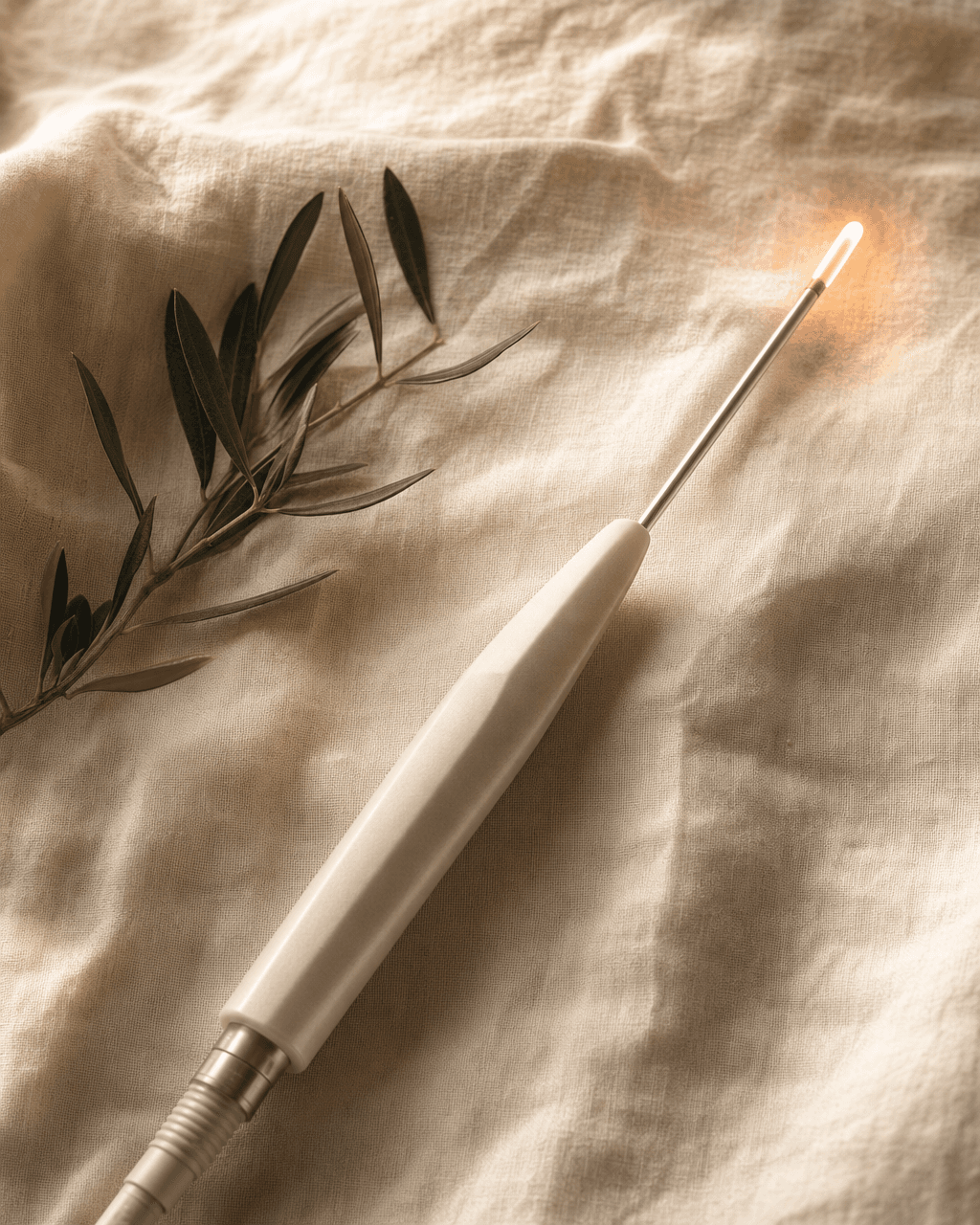
Renuvion® skin tightening
An alternative for moderate skin laxity without the need for surgery.
Learn more

Thigh lift
Frequently combined after substantial weight loss.
Learn more

Mommy Makeover
Part of the mommy makeover concept for restoring the abdominal contour after pregnancy.
Learn more
In the consultation we establish what is possible — and what is not. In person at the Isartorplatz, unhurried, with no sales pressure.
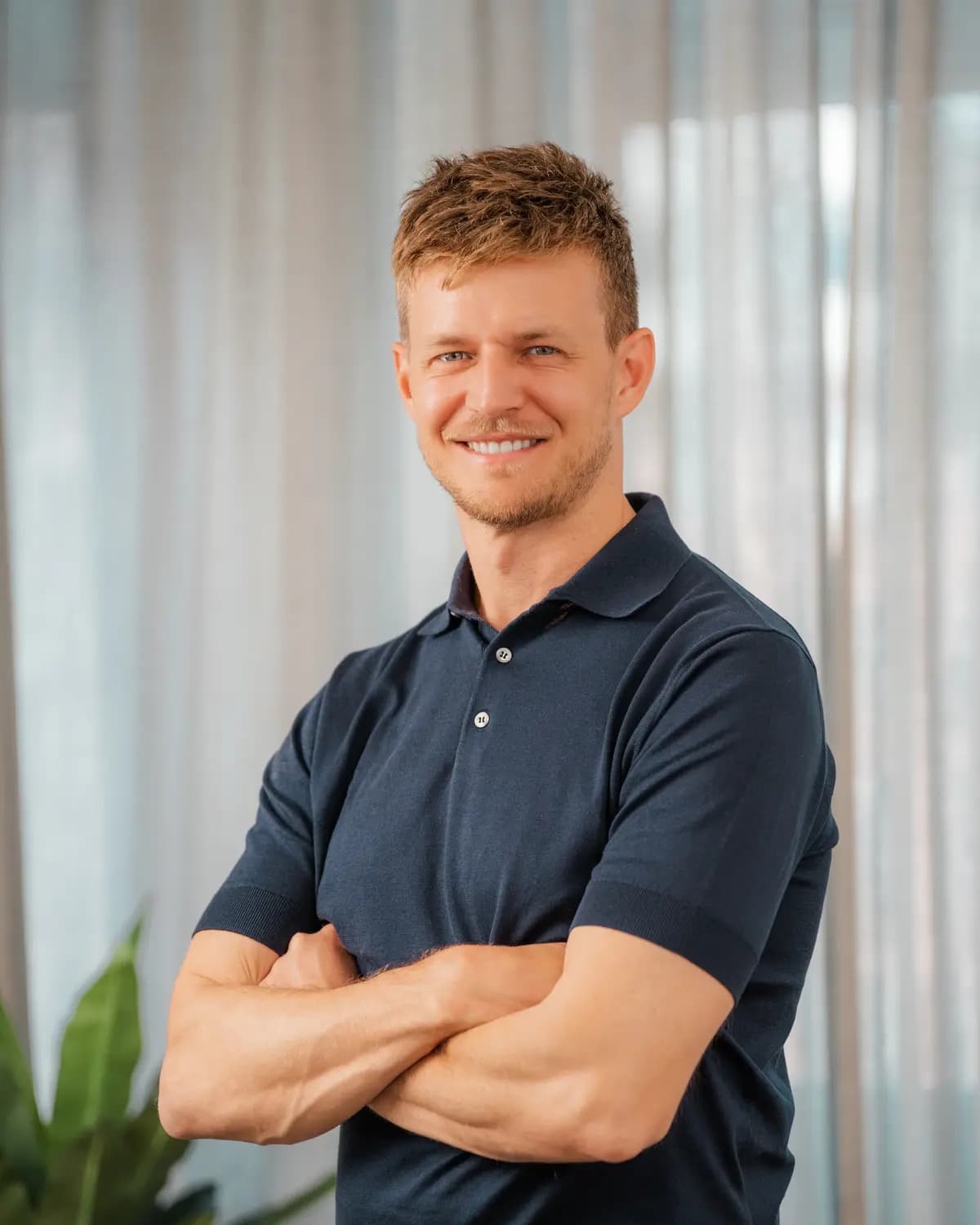
Dr. Fabian Weinschenk
Specialist in plastic and aesthetic surgery (Facharzt)