
Under-eye bags · two approaches · fat repositioning
A fresher gaze without a hollow-looking eye area. We reposition and remodel the fatty tissue — and stabilise the lid margin with a canthopexy.
Treatment
What is lower eyelid surgery?
Lower eyelid surgery is a surgical procedure for protruding under-eye bags and slackened lower-lid skin — typical from middle age onwards, as the connective-tissue structures (the septum) slacken and the orbital fat compartments shift forwards. At Ästhetik am Isartor in Munich it is carried out under the medical direction of Dr. Fabian Weinschenk. Two approaches, chosen by anatomy: the transconjunctival approach from inside the lid, without a visible external scar (for younger, firm skin and a pure fat-repositioning indication), or the external approach with an incision just below the lash line (where skin resection is also needed, with moderate to pronounced laxity). Modern concept: the fat is not removed but repositioned, preventing the sunken, hollow eye area of later life. To avoid ectropion (a lid-tension problem), a canthopexy is consistently used as a stabilising technique. It takes 60 to 90 minutes, under local anaesthetic with twilight sedation or general anaesthesia; pure local anaesthetic is mostly not recommended, for safety and comfort. Outpatient, with an overnight stay possible on request. Sutures out after seven days, taping in week two, make-up after two to three weeks, sport after three weeks. The final result is stable after four to eight weeks and long-lasting.
Suitability
Who is Lower eyelid surgery suitable for?
Under-eye bags are often anatomically protruding fat pads, with or without excess skin and with or without a slackening of the ring muscle around the eye. Creams and gels do not help; a lasting correction is surgical. Which approach makes sense is decided by the anatomy.

Suitable for
Lower eyelid surgery is suitable where there are visibly protruding under-eye bags (the fat pads of the lower-lid eye area), where there is slackened lower-lid skin with fine lines, where there is a genetic predisposition to early visible shadows with fat pads, and where there is a descent of tissue in the ageing process. For the transconjunctival approach, young or firm skin with a pure fat-repositioning indication is the deciding factor; for the external approach, moderate to pronounced skin laxity with skin resection also needed. A precondition in both variants: stable general health, no pronounced dry-eye symptoms (otherwise an ophthalmological assessment first), realistic expectations about the length of recovery and the final result.
Not suitable for
Lower eyelid surgery is not sensible where there are pronounced dry-eye symptoms without prior stabilisation — here an ophthalmological assessment of the tear-film status comes first. Acute wound-healing disorders or infections and active anticoagulation that cannot be paused postpone the procedure. Where there are dark shadows without fat pads (pure pigmentation of the tear trough), surgical lower eyelid surgery is sometimes not the right procedure — hyaluronic acid, PRP or autologous fat come into question instead.
Which approach comes into question — transconjunctival or external — we decide together in the personal initial consultation (€100), after a clinical assessment of the distribution of fat, the skin quality and the tension of the lid.
Method
Two approaches. One stabilisation.
There is no standard incision — the right choice follows the anatomy. Both approaches are combined with the same modern logic: the fat is repositioned rather than removed, and the lid margin is stabilised with a canthopexy.
- Minimally invasive
Transconjunctival
Transconjunctival approach
- How it works
- An incision from the inner side of the lid — no external scar
- Strength
- For younger, firm skin · pure fat repositioning · no visible scar
- Areas
- The inner side of the lower lid
- Standard
External
External (subciliary) approach
- How it works
- An incision directly below the lash line + canthopexy
- Strength
- For moderate to pronounced laxity · skin resection possible
- Areas
- The outer side of the lower lid, the lash line
With both procedures the orbital fatty tissue is repositioned (not radically removed) — that prevents the sunken eye area of later life. With the external approach we consistently use a canthopexy as a stabilising technique against ectropion. The indication is established in the medical initial consultation (€100). Clinic fees are shown separately.
A modern concept
Reposition the fat. Stabilise the lid margin. Do not remove radically.
In modern eyelid surgery the orbital fatty tissue is no longer radically removed but repositioned — the same quantity of fat, in a different place. That prevents the sunken, hollow eye area of later life that follows too radical a resection. With the external approach we additionally stabilise the lid margin with a canthopexy — a suture technique that reliably avoids ectropion (the lid tipping outwards and downwards).


Under-eye bags are caused by slackened fatty and muscle tissue. Creams do not help. But removing it radically would be wrong — we reposition.
Procedure
How the procedure works
Four steps, clearly separated — from the initial consultation with the decision on the approach, through the 60-90-minute operation under local anaesthetic with twilight sedation or under general anaesthesia, to the aftercare with adhesive taping from week two.
 Schritt 01approx. 45 min.
Consultation
In the personal initial consultation (€100) we assess the distribution of fat, the skin quality and the tension of the lid clinically (snap-back test). We discuss which approach comes into question — transconjunctival or external — and whether a combination with upper eyelid surgery makes sense. Where there is a tendency to dry eyes we arrange an ophthalmological consultation on the tear-film status beforehand. You receive a written cost estimate afterwards.
 Schritt 02
Preparation
No blood-thinning medication in the 14 days before the operation. Do not wear contact lenses on the day of treatment — bring your glasses. Where general anaesthesia or twilight sedation is used, come fasting and arrange someone to accompany you home. Pure local anaesthetic is mostly not recommended, for reasons of safety and comfort.
 Schritt 0360–120 min
Operation
The operation is carried out under local anaesthetic with twilight sedation or under general anaesthesia. After the individual marking, the chosen approach follows (transconjunctival or external). The orbital fatty tissue is repositioned (not radically removed) and the slackened muscle partly suspended; with the external approach the planned skin resection is carried out and the lid margin stabilised with a canthopexy. Wound closure with fine, non-absorbable sutures.
 Schritt 04
Aftercare
Cooling compresses for 24-48 hours. No contact lenses and no make-up for 7 days. Artificial tears against the temporary feeling of dryness. Sutures out after 7 days. In week 2 the taping phase with adhesive tape strips begins, for scar care and to stabilise the lid. Make-up after 2-3 weeks, sport after 3 weeks. Final result stable after 4-8 weeks.
Facts
Key facts
- Type
- surgical, outpatient (overnight stay on request)
- Anaesthesia
- local anaesthetic with twilight sedation · general anaesthesia
- Duration
- 60–120 minutes
- Stay
- outpatient or inpatient
- Approaches
- transconjunctival · external (subciliary)
- Fatty tissue
- is repositioned — not radically removed
- Stabilisation
- canthopexy against ectropion
- Sutures out
- after 7 days
- Adhesive taping
- from week 2
- Make-up
- after 2–3 weeks
- Sport
- after 3 weeks
- Final result
- after 4–8 weeks
- Duration of effect
- long-lasting
- Pain
- slight — a mild feeling of tension or irritation
- Consultation
- €100 · required before every treatment
Recovery
Recovery & final result
DAY
0–2.
Cool, rest.
Outpatient operation; cooling compresses for 24-48 hours to minimise swelling. Sleep with the head elevated. Artificial tears several times a day. Pain is slight — usually only a mild feeling of tension or irritation.
DAY
3–7.
Swelling, eye drops.
Haematomas and swelling are at their most pronounced in this phase — and then recede. Consistent artificial tears against the temporary feeling of dryness. No contact lenses, no make-up. Sutures out after 7 days.
WEEK
2.
Adhesive taping.
From week 2 the taping phase begins: discreet fabric-style tape strips are applied delicately along the lash line and the transition to the cheekbone, for scar care and to stabilise the lid. Please wear the taping as instructed at the practice.
WEEK
3–4.
Make-up and sport return.
Make-up is possible again after 2-3 weeks; sport after 3 weeks. Residual swelling subsides step by step. Social life is usually possible again without restriction after 10-14 days.
MONTH
2–12.
The final result is stable.
The final result is stable after 4-8 weeks — the eye area looks fresher, NOT hollow-cheeked or sunken, because the fat was repositioned. With the external approach the scar along the lash line fades over 6-12 months to the point where it is barely discernible. The result is long-lasting.
Endergebnis
The final result is stable after 4 to 8 weeks — the scar (with the external approach) goes on fading over 6–12 months.
A fresher gaze without a hollow-cheeked eye area — that is the line we hold with lower eyelid surgery. The fat is repositioned, not radically removed; the lid margin is stabilised with a canthopexy, so that no ectropion arises. The result is long-lasting — the ageing process continues from a fresher starting point, without the typical 'hollow' post-operative eye area of earlier methods.
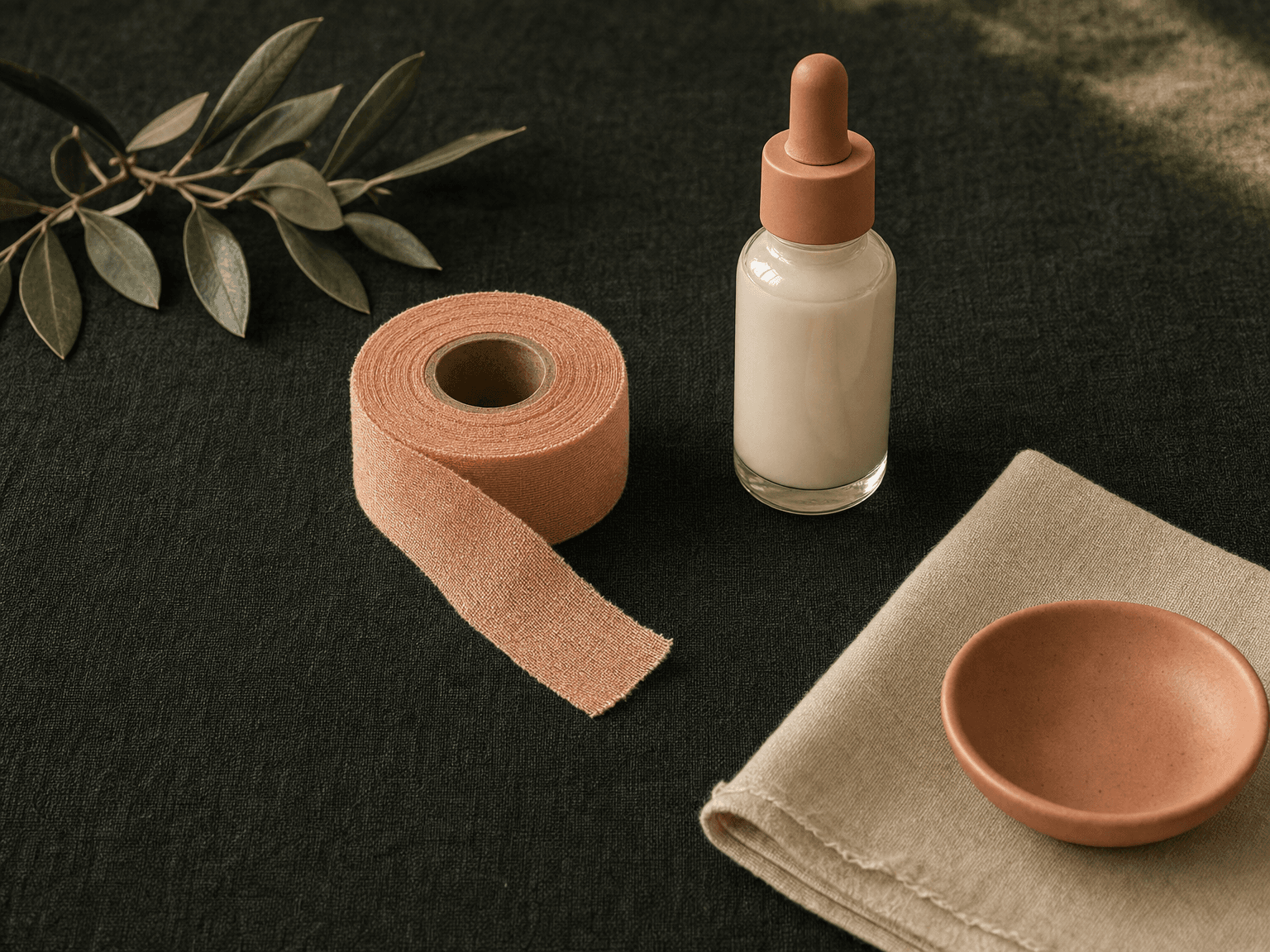
Week two
Tape strips. Eye drops. Patience.
From week two the adhesive taping begins: discreet fabric-style tape strips support the scar care and stabilise the lid margin in the decisive phase of healing. Artificial tears several times a day against the temporary feeling of dryness. Make-up stays paused for two to three weeks; sport after three weeks. The final result is stable after four to eight weeks.
Consultation
100€
approx. 45 min · medical · mandatory before every treatment (§ 8 HWG)
Let us establish the indication together.
Which method suits your situation can only be established reliably in a personal examination and consultation.
What is included
- Examination & establishing the indication
- Choice of method, risks & alternatives
- Written cost estimate afterwards
Risks
Risks & informed consent
Carried out properly and with modern techniques (fat repositioning plus canthopexy), lower eyelid surgery is an established procedure. We discuss all risks in detail in the personal informed-consent consultation in accordance with § 8 HWG (German Health Advertising Act).
- General
Swelling and haematomas on the lower lid are part of the expected course in the first one to two weeks and subside continuously under cooling compresses and with the head elevated. Wound-healing disorders are rare in a modern practice where the operation is properly conducted — carrying the procedure out as an outpatient under local anaesthetic with twilight sedation or under general anaesthesia (rather than under pure local anaesthetic) additionally reduces the risks of movement during the operation.
- Specific
A temporary feeling of dryness is common in the first weeks and is reversible — consistent artificial tears compensate through that phase. Temporarily increased watering of the eyes and occasional mild conjunctivitis are possible; both recede quickly, and a mild conjunctivitis is readily treated with eye drops. A temporary change of sensation in the lower lid and slight asymmetries are possible; the latter are minimised by the precise marking.
- Very rare
Ectropion (the lid tipping outwards and downwards) is the essential risk concern with the external approach — we consistently use a canthopexy as a stabilising technique, which reliably avoids ectropion. The typical 'hollow-cheeked' eye area of earlier surgical methods arises from radical removal of fat; we specifically avoid it by repositioning the fat. A retrobulbar haematoma with a threat of loss of vision is extremely rare and would require emergency surgery — the complication is reduced to a minimum by a careful pre-operative history (no anticoagulation, blood-pressure control).
All individual risks are documented in detail during the personal informed-consent consultation in accordance with § 8 HWG (German Health Advertising Act).
Costs
Costs at a glance
Lower eyelid surgery starts from €5,500 per pair of eyes. In combination with upper eyelid surgery in one session, the procedure starts from €6,900. The specific calculation depends on the chosen approach, the length of the operation and the choice of anaesthesia.
Starting price
from €5,500 Lower lid · upper + lower combined from €6,900
Approaches
Transconjunctival vs. external
| Aspect | Transconjunctival | External (subciliary) |
|---|---|---|
| Approach | from the inner side of the lid | below the lash line |
| Visible scar | none | minimal, barely visible once healed |
| Indication | young / firm skin · pure fat repositioning | moderate to pronounced laxity with skin resection |
| Fat repositioning | yes | yes |
| Canthopexy | where needed | consistently carried out |
| Surgery time | approx. 60 min | approx. 90 min |
| Anaesthesia | LA + twilight sedation · general | general · LA + twilight sedation |
| Starting price | from €5,500 | from €5,500 |
Both approaches have the same starting price; the specific calculation varies with the surgical effort and the choice of anaesthesia. A combined operation with upper eyelid surgery in the same session starts from €6,900. Clinic fees are shown separately. Pure local anaesthetic is mostly not recommended, for reasons of safety and comfort.
All starting prices are net · plus 19% VAT · excluding clinic fees for anaesthesia and overnight stay. Individual cost estimate in the personal initial consultation (€100).
Questions
Frequently asked questions
What are under-eye bags?
Under-eye bags are anatomically protruding fat pads of the lower-lid eye area. With increasing age the orbital fat compartments shift forwards, because the supporting connective-tissue structures (the septum) slacken. Creams and gels therefore do not help — a lasting correction is surgical. In modern eyelid surgery the fat is repositioned rather than removed, to avoid a sunken eye area in later life.
Transconjunctival or external — which approach is the right one?
Transconjunctival (from the inner side of the lid): no visible external scar — suitable for younger patients with firm skin and a pure fat-repositioning indication. External, subciliary (an incision below the lash line): where skin resection is also needed, with moderate to pronounced skin laxity. We decide together in the initial consultation (€100), on the basis of a clinical assessment of the distribution of fat, the skin quality and the tension of the lid.
Why not pure local anaesthetic?
We treat under local anaesthetic with twilight sedation or under general anaesthesia; pure local anaesthetic is mostly not recommended, for reasons of safety and comfort. The lower-lid region is very sensitive, and the blink reflex can lead to restlessness during the operation under pure local anaesthetic — twilight sedation or general anaesthesia ensure calm operating conditions and thus a more precise result. Please arrange someone to accompany you home beforehand.
Is the fatty tissue removed or repositioned?
In modern eyelid surgery the fatty tissue is no longer radically removed but repositioned (the same quantity, in a different place). The advantage: the eye area does not look sunken or 'hollow-cheeked' in later life — a typical consequence of the older radical resection methods. We specifically avoid that look by repositioning the fat.
When may I wear make-up again?
After 2-3 weeks. In the first 7 days make-up is paused completely (wound healing). From week 2 the adhesive taping phase begins — make-up is not yet applied in that window, so that the taping can take effect. From week 3 make-up is possible again without restriction.
How long does the result last?
The result is long-lasting. The ageing process is not halted — the eye area goes on ageing, but from a fresher starting point. A renewed forward shift of fat can occur after some years and may then be treated again.
Combined with upper eyelid surgery?
Yes, very often recommended — the combination of upper plus lower lid in one session takes in the whole eye area. The surgery time adds up to approx. 90-120 minutes, the recovery is shared and not substantially longer than after an isolated lower-lid operation. Bundle price from €6,900.
Which risks are specific to the lower lid?
Ectropion (the lid tipping outwards and downwards) is the essential risk concern with the external approach — we avoid it by consistent canthopexy stabilisation. A feeling of dryness in the eyes is typical in the first weeks and is reversible; artificial tears help. Where there is a tendency to dry eyes we arrange an ophthalmological consultation beforehand. Other risks are documented in the informed-consent consultation in accordance with § 8 HWG.
Why don't you show before-and-after photographs on your website?
For two reasons — one legal, one ethical. First, the German Heilmittelwerbegesetz (§ 11 HWG, the Health Advertising Act) prohibits advertising surgical plastic procedures with before-and-after photographs on publicly accessible websites — a rule in force since 2012 that protects patients from distorted promotional depictions. Second, we respect our patients' privacy: even where written consent exists, many would rather intimate photographs of their body did not circulate on the open web. What you can expect instead: in the personal initial consultation (€100) we show you anonymised examples from our own practice documentation — matched to your indication, your build and your aesthetic goal. Those images are shown with the written consent of the patients concerned, exclusively within the protected setting of the consultation, and are never published online. You get a realistic sense of what to expect without anyone having to give up their privacy for someone else's advertising.
What should I look for when choosing a doctor for aesthetic plastic surgery in Munich?
Three objective criteria help you get your bearings. First, the specialist qualification: "Facharzt für Plastische und Ästhetische Chirurgie" is a legally protected German specialist title requiring several years of specialist training — unlike general, unprotected descriptions such as "cosmetic surgeon". Second, membership of a medical professional society such as the DGPRÄC (the German Society of Plastic, Reconstructive and Aesthetic Surgeons), which requires binding professional standards and continuous further training. Third, the quality of the consultation: a reputable practice takes its time, is honest about risks, alternatives and realistically achievable results, and does not push you towards a decision. At Ästhetik am Isartor the medical direction lies with Dr. Fabian Weinschenk, specialist in plastic and aesthetic surgery (Facharzt) and a member of the DGPRÄC. Procedures are carried out personally by the specialist, and every treatment is preceded by a detailed medical informed-consent consultation (chargeable at €100).
Related
Related treatments
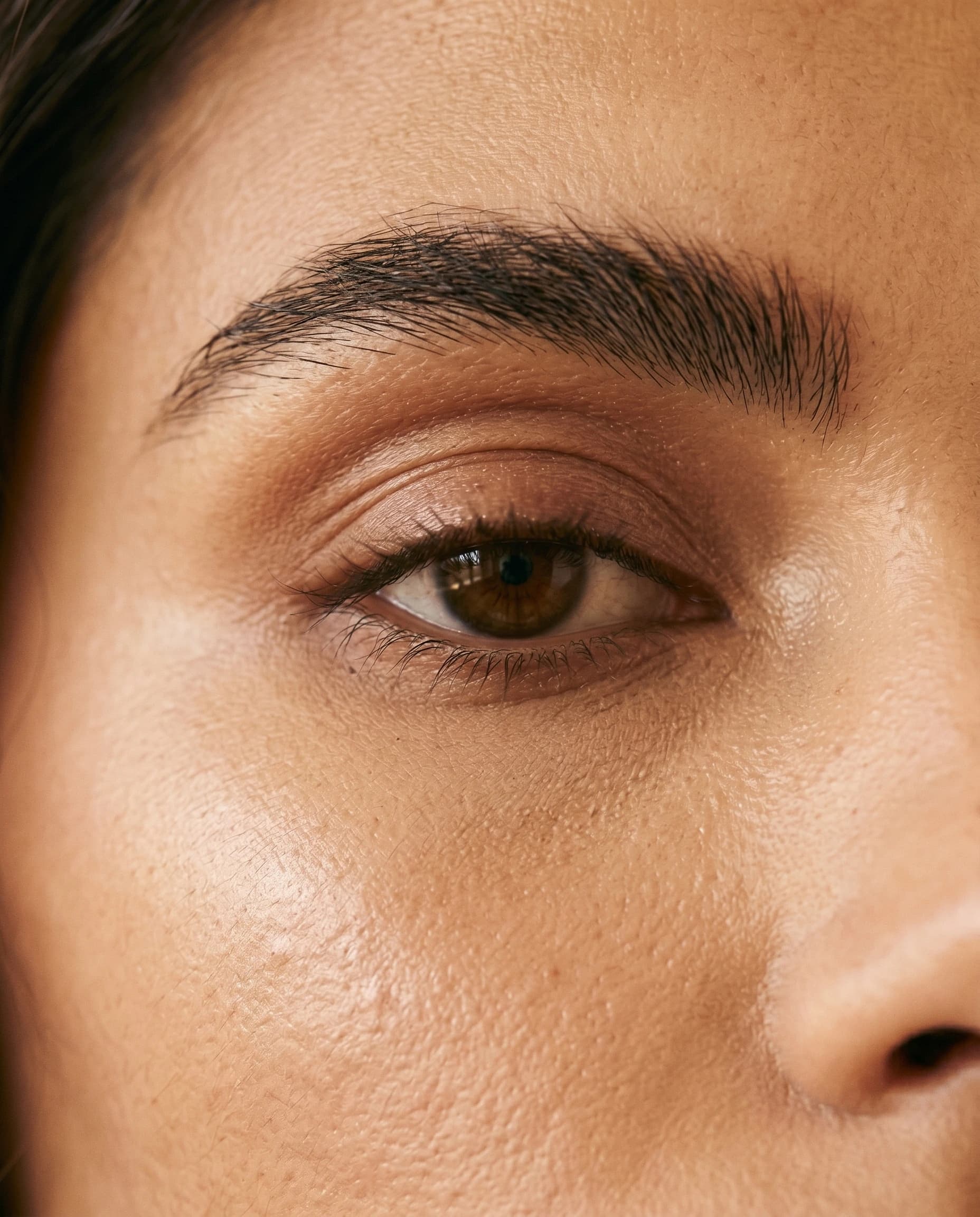
Upper eyelid surgery
Can be combined in one session — bundle from €6,900.
Learn more

Facelift
Where there is additional laxity of the cheeks or neck — a more comprehensive rejuvenation.
Learn more
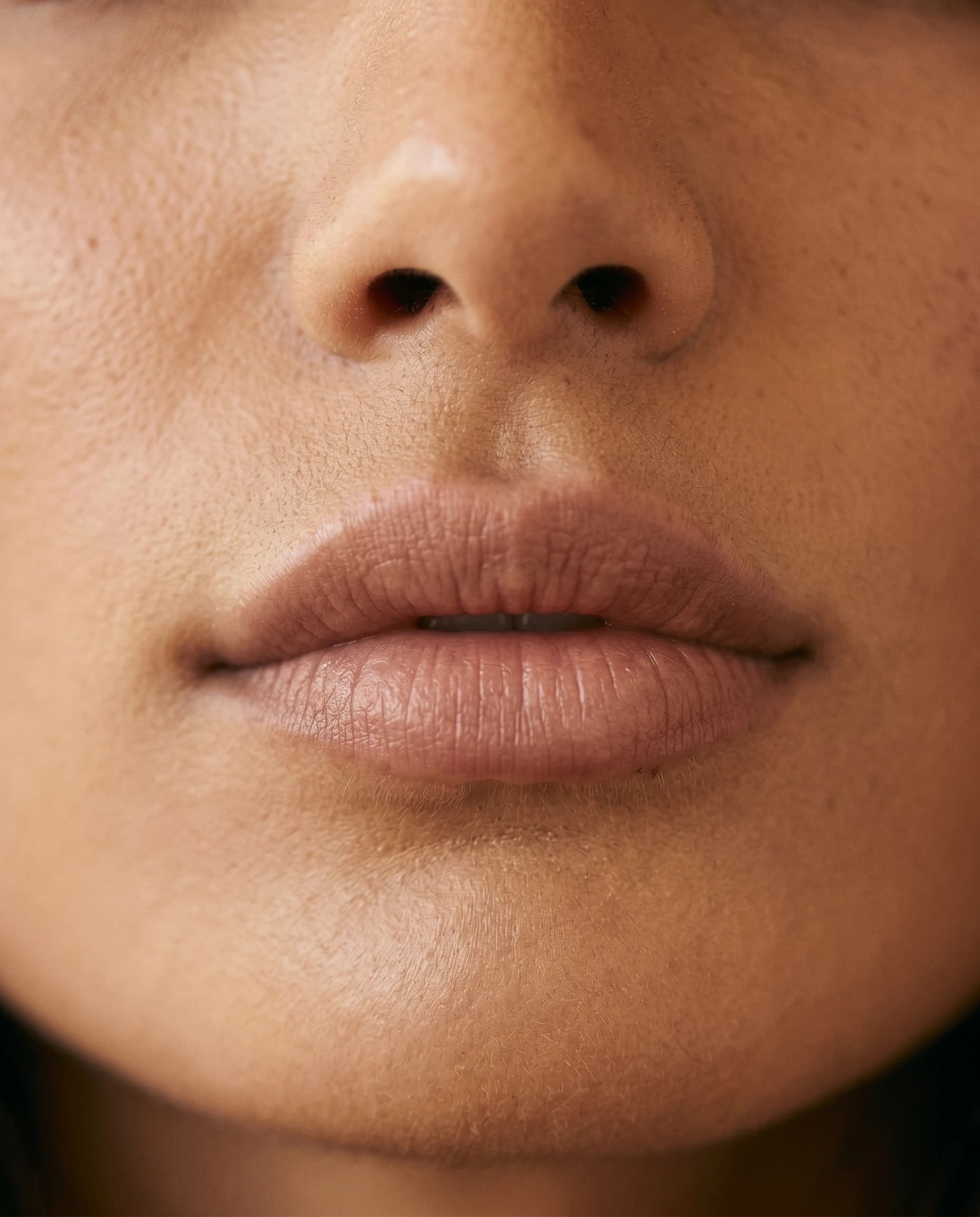
Bullhorn lip lift
Where the red of the upper lip has descended — a targeted lift of the lip-and-nose region.
Learn more
In the consultation we establish what is possible — and what is not. In person at the Isartorplatz, unhurried, with no sales pressure.

Dr. Fabian Weinschenk
Specialist in plastic and aesthetic surgery (Facharzt)