
Hooded eyelids · 45–60 min · scar in the eyelid crease
An awake gaze. The incision sits in the natural eyelid crease — practically invisible once healed. 45–60 minutes as an outpatient, 10 to 15+ years of effect.
Treatment
What is Upper eyelid surgery?
Upper eyelid surgery (upper blepharoplasty) is a surgical procedure to correct slackened skin tissue on the upper lid — typically where hooded eyelids restrict the field of vision or make the gaze look tired. At the Ästhetik am Isartor practice in Munich the procedure is carried out under the medical direction of Dr. Fabian Weinschenk. Through a fine incision in the natural eyelid crease, excess skin and, where needed, portions of muscle and protruding fatty tissue are resected precisely; the wound is closed with fine sutures, which come out after about seven days. The scar runs exactly in the natural eyelid crease and is practically invisible once healing is complete. The procedure takes approx. 45–60 minutes and is carried out as an outpatient under local anaesthetic with light sedation — general anaesthesia is possible on request. Swelling and haematomas subside within one to two weeks; the final result is stable after four to six weeks and lasts as a rule ten to fifteen years and longer.
Suitability
Who is Upper eyelid surgery suitable for?
Hooded eyelids arise from age-related skin laxity on the upper lid. The excess skin settles over the lid margin — aesthetically the gaze looks tired, and at an advanced stage it restricts the field of vision functionally.

Suitable for
Upper eyelid surgery is suitable where there are hooded eyelids with skin hanging over the lid margin, where the overall expression is tired because the upper-lid tissue has slackened, where there is protruding fatty tissue in the eye area, and in particular where there is a documented visual field restriction (often medically indicated in that case). Preconditions: stable general health, no acute dry-eye symptoms (otherwise an ophthalmological assessment first), realistic expectations. The procedure corrects the skin laxity on the upper lid only — adjacent areas (eyebrows, forehead, lower lid) stay unchanged, but can be treated in the same appointment or in stages.
Not suitable for
Upper eyelid surgery is not sensible where there is active eye disease or pronounced dry eye — here an ophthalmological assessment comes first. Acute wound-healing disorders or infections and active anticoagulation that cannot be paused postpone the procedure. Where there is laxity of the whole forehead and eyebrow area, isolated upper eyelid surgery is not enough; a forehead or brow lift would then be indicated in addition.
Whether upper eyelid surgery on its own, in combination with lower eyelid surgery or with a facelift is the sensible route, we decide together in the personal initial consultation (€100) after the clinical assessment.
Method
An incision in the natural eyelid crease. Nothing more.
Upper eyelid surgery is a precisely defined procedure: a single fine incision in the natural eyelid crease, removing the exact amount of skin required — not a millimetre more.
- Standard
Standard
Upper eyelid surgery (standard)
- How it works
- Incision in the natural eyelid crease, resection of skin ± portions of muscle or fat
- Strength
- Scar practically invisible · 45–60 min · outpatient · local anaesthetic
- Areas
- Upper lid (eye area)
- Minimally invasive
Upper + lower
Combination with lower eyelid surgery
- How it works
- Both lid areas treated in one session
- Strength
- More comprehensive rejuvenation · a single recovery · bundle price
- Areas
- Upper and lower eyelids
With upper eyelid surgery alone, the procedure stays as small as possible. The combination with lower eyelid surgery is often recommended where both lid areas show signs of laxity. The indication is established in the medical initial consultation (€100). Clinic fees are shown separately.
Eyelid crease
A single line. Hidden in the crease.
The incision runs exactly in the natural crease of the upper lid — a single precise line. With the eye open it stays invisible; once healing is complete (6 to 12 months) it fades so far that it is barely discernible even with the eye closed. Just as decisive is the amount: we resect only the exact quantity of skin required — with too radical a resection, the closing function of the lid would be impaired.

Look awake. Not younger. Not surprised. Simply as though you had finally slept well again.
Procedure
Eyelid surgery Munich: how upper eyelid surgery proceeds
Four steps, clearly separated — from the initial consultation through the 45–60-minute outpatient operation to the aftercare with cooling and the sutures out after seven days.
 Schritt 01approx. 45 min.
Consultation
In the personal initial consultation (€100) we assess the skin laxity and the field of vision clinically. We discuss whether isolated upper eyelid surgery is enough or whether a combination with lower eyelid surgery or a facelift is the sensible route. You receive a written cost estimate afterwards.
 Schritt 02
Preparation
No blood-thinning medication in the 14 days before the operation. Do not wear contact lenses on the day of treatment — bring your glasses. For an operation under local anaesthetic you can come to the practice on your own; where sedation is used you need someone to accompany you home. No particular inpatient preparation — the procedure is an outpatient one.
 Schritt 03approx. 45–60 min
Operation
The resection area is marked before the operation with the patient sitting upright and awake. Local anaesthetic (with light sedation in addition on request; general anaesthesia is possible). An incision along the pre-drawn eyelid-crease line, precise resection of skin and, where needed, portions of muscle or fat, wound closure with fine non-absorbable sutures.
 Schritt 04
Aftercare
Cooling compresses for 24-48 hours to reduce swelling. No contact lenses and no make-up for 7 days. Sutures out after 7 days. Swelling and haematomas recede within 1-2 weeks; from day 10 make-up is possible again. Sport after 1-2 weeks. The final result is stable after 4-6 weeks.
Facts
Key facts
- Type
- surgical, outpatient
- Anaesthesia
- local + light sedation · general anaesthesia on request
- Duration
- approx. 45–60 minutes
- Stay
- outpatient — no hospital bed needed
- Incision
- in the natural eyelid crease
- Sutures out
- after 7 days
- Swelling gone
- 1–2 weeks
- Make-up
- from day 10
- Sport
- after 1–2 weeks
- Final result
- after 4–6 weeks
- Duration of effect
- 10–15+ years
- Consultation
- €100 · required before every treatment
Recovery
Recovery & final result
DAY
0–2.
Cool, rest.
Outpatient operation; cooling compresses for 24-48 hours to minimise swelling. Sleep with the head elevated. Pain is usually slight. No contact lenses, no make-up.
DAY
3–7.
Swelling, patience.
Haematomas and swelling are visible in the first days — but they recede continuously. Take care of the eye area. Reading and screen work are possible in moderation. Sutures out after 7 days.
DAY
7–14.
Make-up possible again.
Once the sutures are out, the swelling subsides step by step. From day 10 make-up is possible again, from day 14 light sport. Social life is usually possible again without restriction after 10-14 days.
WEEK
3–6.
The final result is visible.
Residual swelling subsides completely; the final result is stable after 4-6 weeks. The gaze looks fresher, more awake — without looking mask-like and 'surprised', provided the amount of resection was chosen precisely.
MONTH
3–12.
The scar fades.
The scar in the eyelid crease fades over 6-12 months to the point where it is barely discernible even with the eye closed. The result lasts as a rule 10-15 years and longer, because the skin that was removed does not grow back identically.
Endergebnis
The final result is stable after 4 to 6 weeks — the scar goes on fading over 6–12 months.
Looking awake, not younger and not mask-like — that is the line we hold with upper eyelid surgery. We resect only the exact amount of skin required; too radical a resection would impair the closing function of the lid and make the gaze look unnaturally 'surprised'. The result lasts as a rule ten to fifteen years and longer, because the skin that was removed does not grow back identically — the natural ageing process continues from a markedly fresher starting point.
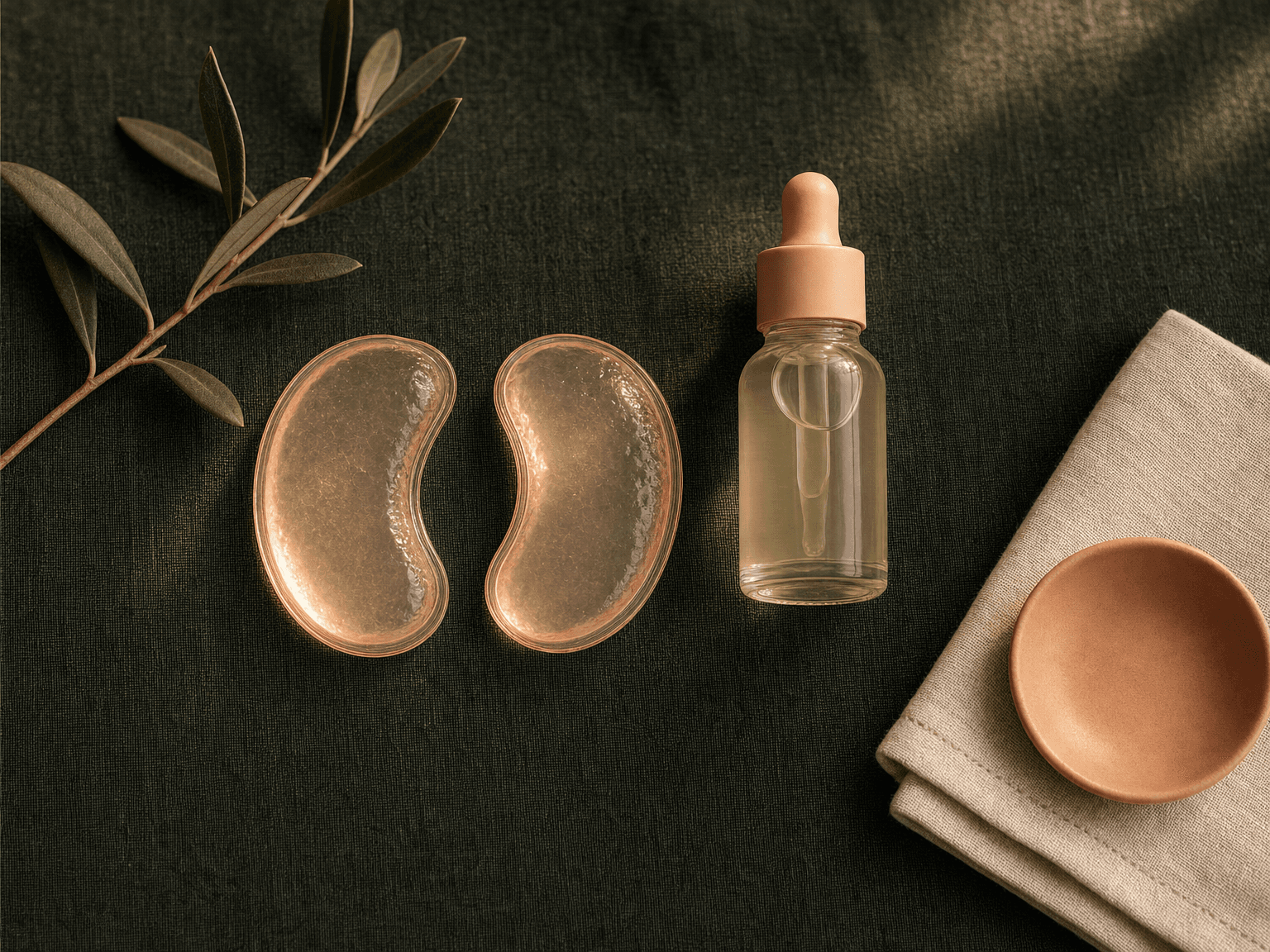
Seven days
Cooling. Eye drops. No make-up.
The first seven days are shaped by cooling gel pads and artificial tears (eye drops) — they reduce the swelling and compensate for the temporary feeling of dryness in the first weeks. No contact lenses and no make-up in this phase. Once the sutures are out the haematomas fade quickly; from day ten make-up is possible again.
Consultation
100€
approx. 45 min · medical · mandatory before every treatment (§ 8 HWG)
Let us establish the indication together.
Which method suits your situation can only be established reliably in a personal examination and consultation.
What is included
- Examination & establishing the indication
- Choice of method, risks & alternatives
- Written cost estimate afterwards
Risks
Risks & informed consent
Carried out properly, upper eyelid surgery is an established, short procedure with a low risk profile. We discuss all risks in detail in the personal informed-consent consultation in accordance with § 8 HWG (German Health Advertising Act).
- General
Swelling and haematomas on the upper lid are part of the expected course in the first one to two weeks and subside continuously under cooling compresses and with the head elevated. Wound-healing disorders at the eyelid-crease suture are rare in a modern practice where the operation is properly conducted.
- Specific
A temporary feeling of dryness in the eyes is common in the first weeks and is reversible — artificial tears help through that phase. Slight asymmetries are minimised by the precise pre-operative marking with the patient sitting upright and awake. A visible scar remains in the eyelid crease in principle, but it is not visible with the eye open and fades after 6-12 months to the point where it is barely discernible even with the eye closed. A temporary change of sensation in the upper lid is possible and recedes within weeks to months.
- Very rare
An over-correction impairing the closing function of the lid is avoided by a consistently restrained resection — we remove only the exact amount of skin required. Permanent disturbances of sensation, or damage to the eye muscles and to the eye itself, are extremely rare where the incision is made properly in the eyelid crease.
All individual risks are documented in detail during the personal informed-consent consultation in accordance with § 8 HWG (German Health Advertising Act).
Costs
Costs at a glance
Upper eyelid surgery starts from €3,200 per pair of eyes. In combination with lower eyelid surgery in one session, the procedure starts from €6,900.
Starting price
from €3,200 Upper lid · upper + lower combined from €6,900
Variants
Upper lid alone vs. combination with the lower lid
| Aspect | Upper lid only | Upper + lower combined |
|---|---|---|
| Surgery time | approx. 45–60 min | approx. 90 min |
| Anaesthesia | local + sedation | local + sedation · general anaesthesia on request |
| Stay | outpatient | outpatient |
| Sutures out | after 7 days | after 7 days |
| Sport | after 1–2 weeks | after 2 weeks |
| Duration of effect | 10–15+ years | 10–15+ years |
| Starting price | from €3,200 | from €6,900 |
Specific treatment costs are calculated individually; clinic fees are shown separately.
All starting prices are net · plus 19% VAT · excluding clinic fees for anaesthesia and overnight stay. Individual cost estimate in the personal initial consultation (€100).
Questions
Frequently asked questions
What are hooded eyelids?
Hooded eyelids arise from age-related skin laxity on the upper lid — the excess skin hangs over the lid margin and at an advanced stage can cover the eyelid crease and even the field of vision. Protruding fatty tissue and a tired overall expression often come with it. Upper eyelid surgery addresses all three components in one short, outpatient procedure.
How visible will the scar be?
The scar runs exactly in the natural eyelid crease and is invisible with the eye open. Where the operation and the wound healing proceed properly, it fades after 6-12 months to the point where it is barely discernible even with the eye closed.
When can I go back to the office?
Social life and desk work are as a rule possible again without restriction after 7-10 days — as soon as the sutures are out and the first haematomas have subsided. From day 10 make-up is possible again, from day 14 light sport.
How long does the result last?
The result lasts as a rule 10-15 years and longer, because the skin that was removed does not grow back identically. The ageing process is not halted — the lids go on ageing, but from a markedly fresher starting point. A refresher can make sense after some years, but is rarely necessary.
Can I have the upper and the lower lid done in one session?
Yes, the combination is often chosen because it takes in the whole eye area. Techniques adapted to the upper and to the lower lid are used in each case, to achieve a harmonious and natural overall picture. The recovery time can be somewhat more extensive than after an isolated procedure on the upper lid.
Upper or lower eyelid surgery?
Upper eyelid surgery treats hooded eyelids — excess skin and, where present, fatty tissue — with a scar in the natural eyelid crease, as an outpatient in 45–60 minutes. Lower eyelid surgery corrects under-eye bags and lax lower-lid skin, transconjunctivally from inside the lid without a visible external scar, or below the lash line. The findings decide which eyelid surgery in Munich suits you: drooping upper lids the upper, under-eye bags the lower. Both in one session is common — from €6,900 (net), recovery somewhat more extensive.
What does upper eyelid surgery cost in Munich?
Upper eyelid surgery starts from €3,200 per pair of eyes. In combination with lower eyelid surgery in one session, the procedure starts from €6,900. You receive a written cost estimate in the initial consultation (€100).
Why don't you show before-and-after photographs on your website?
For two reasons — one legal, one ethical. First, the German Heilmittelwerbegesetz (§ 11 HWG, the Health Advertising Act) prohibits advertising surgical plastic procedures with before-and-after photographs on publicly accessible websites — a rule in force since 2012 that protects patients from distorted promotional depictions. Second, we respect our patients' privacy: even where written consent exists, many would rather intimate photographs of their body did not circulate on the open web. What you can expect instead: in the personal initial consultation (€100) we show you anonymised examples from our own practice documentation — matched to your indication, your build and your aesthetic goal. Those images are shown with the written consent of the patients concerned, exclusively within the protected setting of the consultation, and are never published online. You get a realistic sense of what to expect without anyone having to give up their privacy for someone else's advertising.
What should I look for when choosing a doctor for aesthetic plastic surgery in Munich?
Three objective criteria help you get your bearings. First, the specialist qualification: "Facharzt für Plastische und Ästhetische Chirurgie" is a legally protected German specialist title requiring several years of specialist training — unlike general, unprotected descriptions such as "cosmetic surgeon". Second, membership of a medical professional society such as the DGPRÄC (the German Society of Plastic, Reconstructive and Aesthetic Surgeons), which requires binding professional standards and continuous further training. Third, the quality of the consultation: a reputable practice takes its time, is honest about risks, alternatives and realistically achievable results, and does not push you towards a decision. At Ästhetik am Isartor the medical direction lies with Dr. Fabian Weinschenk, specialist in plastic and aesthetic surgery (Facharzt) and a member of the DGPRÄC. Procedures are carried out personally by the specialist, and every treatment is preceded by a detailed medical informed-consent consultation (chargeable at €100).
Related
Related treatments
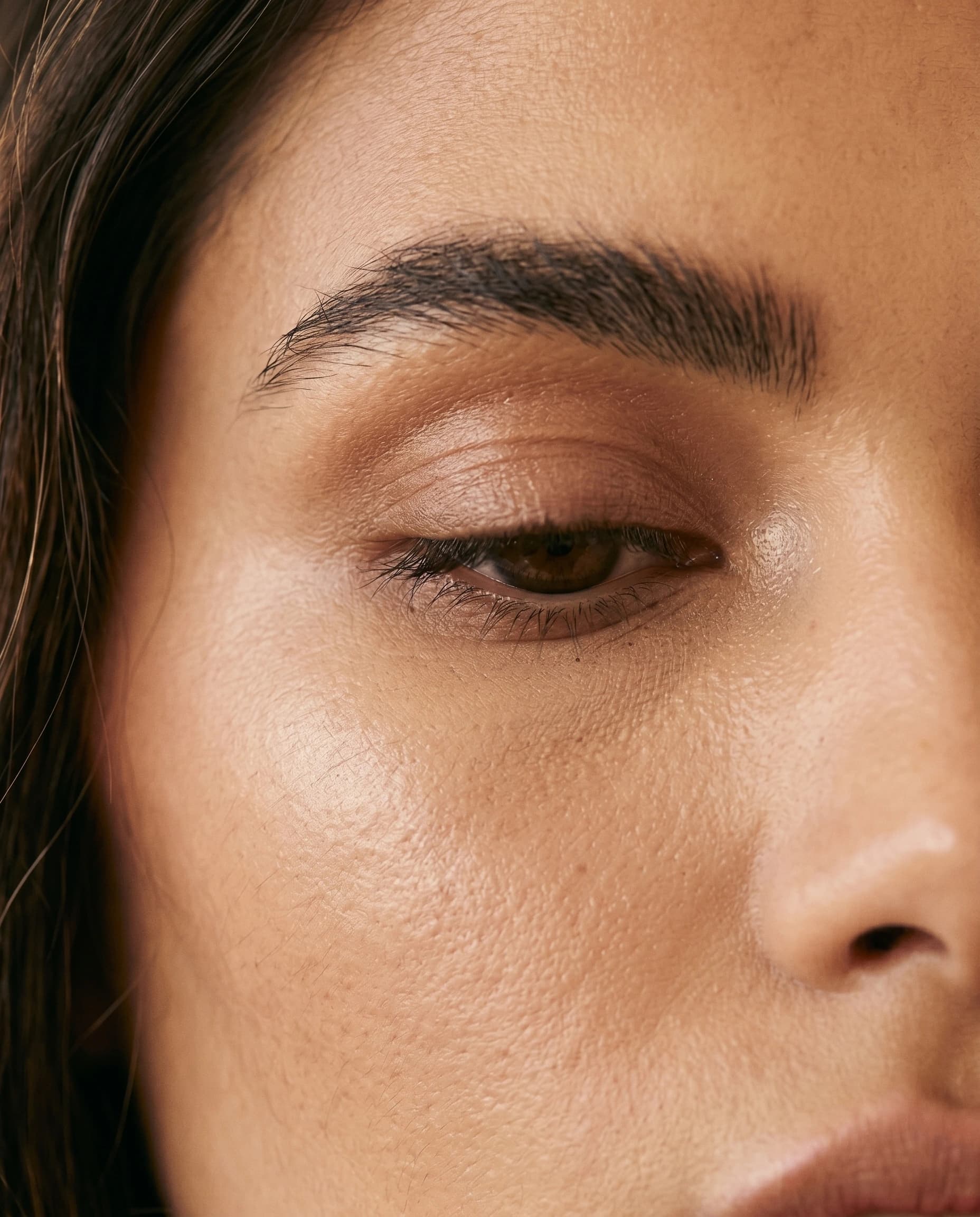
Lower eyelid surgery
Can be combined in one session — bundle from €6,900.
Learn more
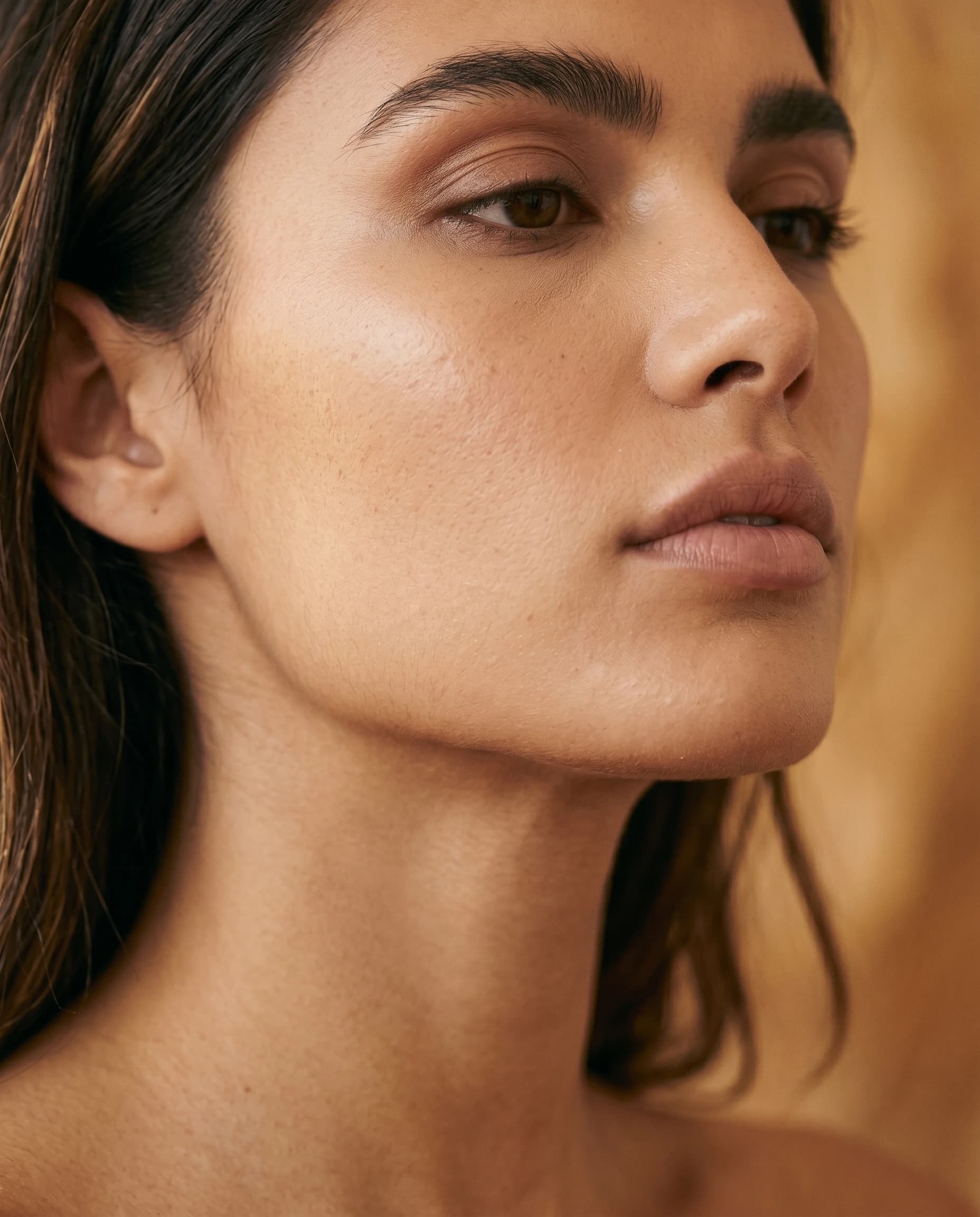
Facelift
Where there is additional laxity of the cheeks or neck — a more comprehensive rejuvenation.
Learn more
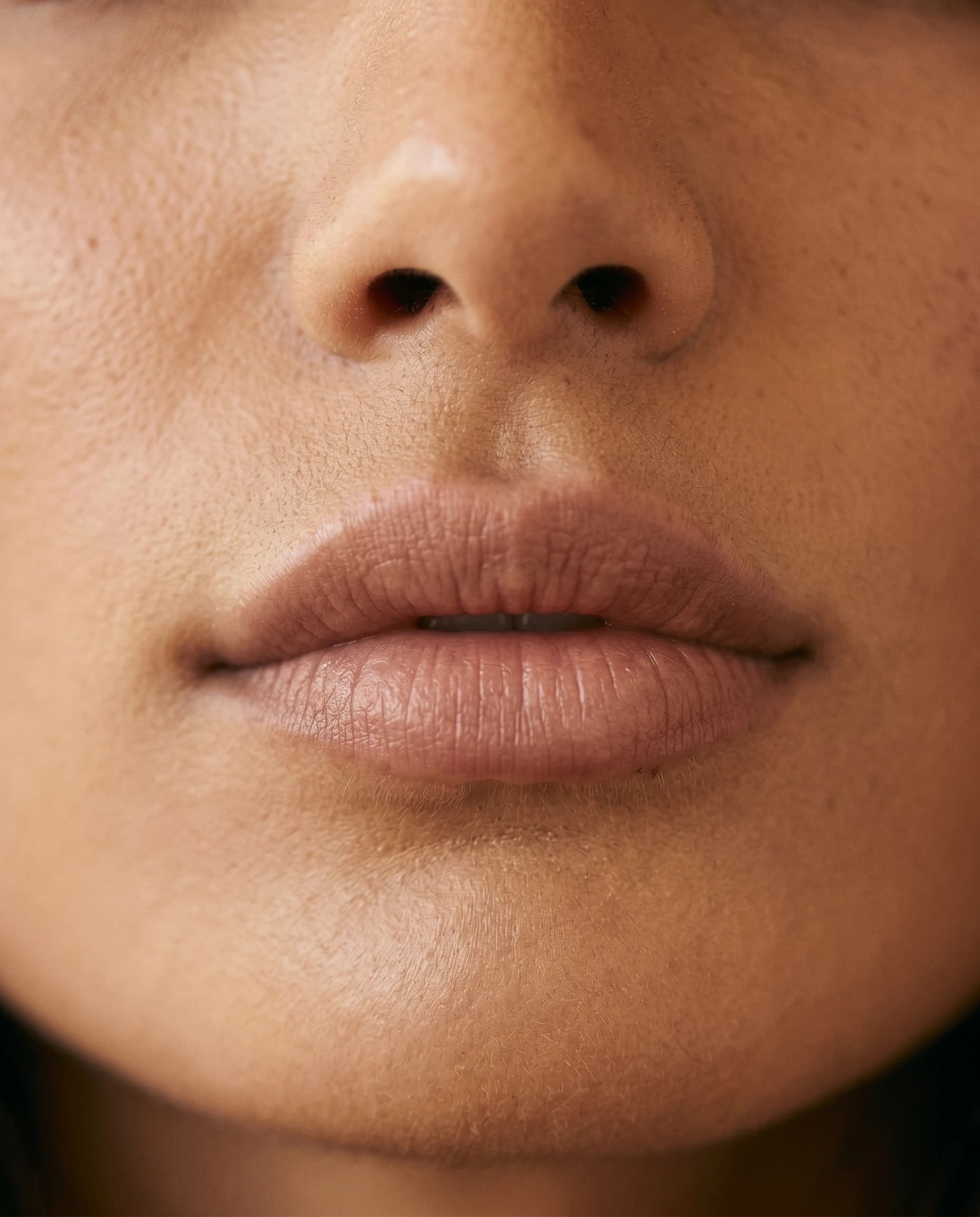
Bullhorn lip lift
Where the red of the upper lip has descended — a targeted lift of the lip-and-nose region.
Learn more
In the consultation we establish what is possible — and what is not. In person at the Isartorplatz, unhurried, with no sales pressure.
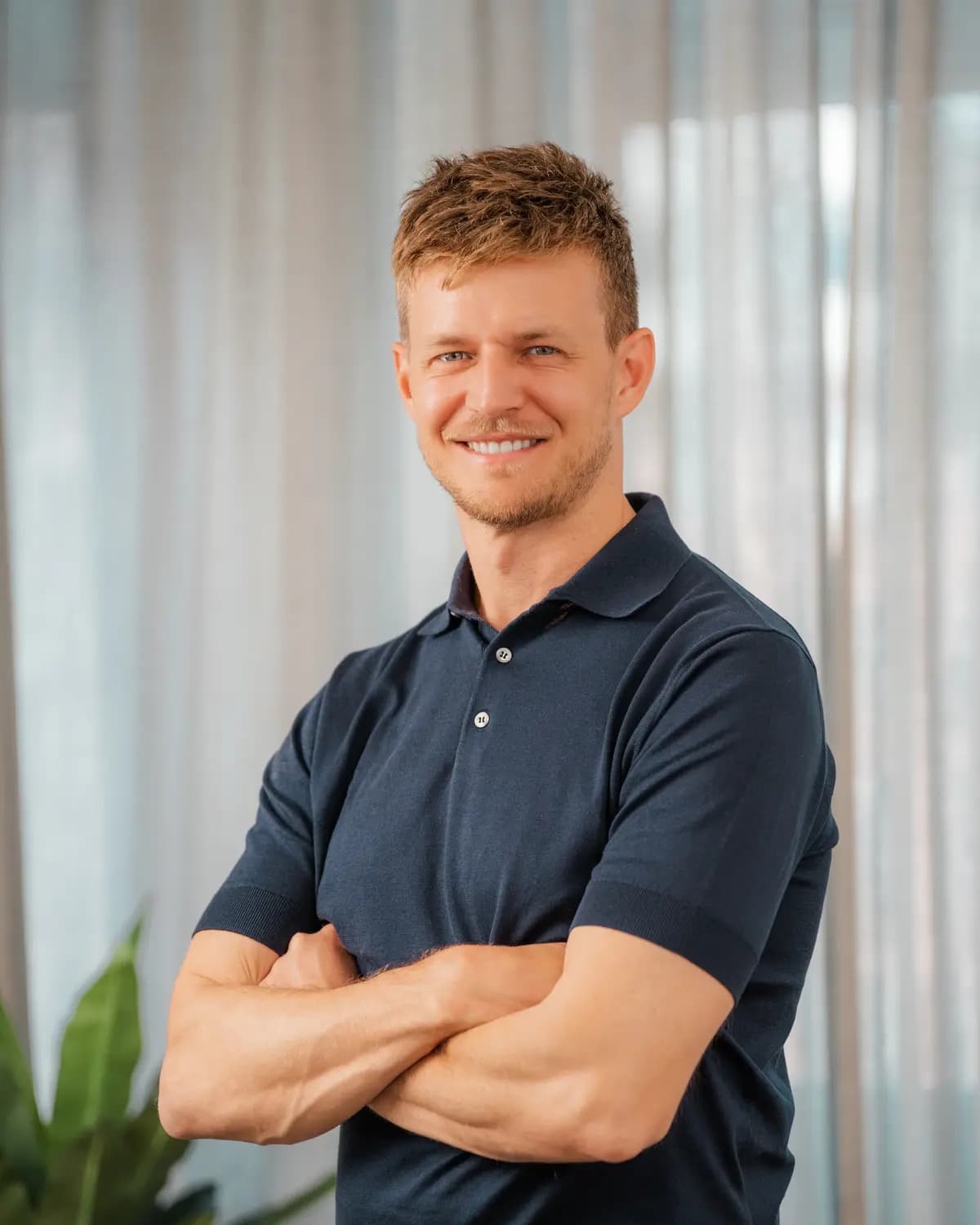
Dr. Fabian Weinschenk
Specialist in plastic and aesthetic surgery (Facharzt)