
Bichectomy · no visible scar
A more defined cheek contour — conservatively resected. We never remove everything. A moderate remnant stays, so that the eye area still looks harmonious in twenty years' time.
Treatment
What is Buccal fat removal?
Buccal fat removal (bichectomy) is a surgical procedure that contours the cheek by partially removing the buccal fat pad (corpus adiposum buccae) — an anatomically defined pad in the mid-cheek, present in everyone but differently pronounced. In Munich it is carried out at Ästhetik am Isartor under the medical direction of Dr. Fabian Weinschenk. Through a one- to two-centimetre incision inside the mouth, level with the rear upper molars, the pad is located and partially resected; complete removal is consistently avoided, because it can lead to sunken, hollow cheeks in ten to twenty years. A moderate remnant stays — that prevents the sunken eye area typical of the 'Hollywood bichectomy'. No visible external scar remains. It suits patients with anatomically full cheeks who want a more defined face, typically in their late twenties to forties. In very slim patients with already narrow cheeks there is no indication. The outpatient operation takes 45 to 60 minutes under local anaesthetic with light sedation. Soft food for three to five days, antiseptic mouth rinses for seven days, social life again after five to seven days, exercise after two weeks. Final result after six to eight weeks, and permanent — removed fatty tissue does not grow back.
Suitability
Who is Buccal fat removal suitable for?
Buccal fat removal reduces the buccal fat pad in a targeted way — and only partially. It is not a means of losing weight but a contouring operation. Not every face benefits; we establish the indication clinically.

Suitable for
Buccal fat removal is suitable where there are anatomically full cheeks or visible chipmunk cheeks, where there is a wish for a more defined cheek area and cheekbones, where the face looks fuller because of the buccal fat pad (not because of weight!), and for patients in their late twenties to forties, in whom facial development is complete. The requirements are stable general health, good oral hygiene and realistic expectations — buccal fat removal changes the cheek contour, not your overall weight or the general shape of your face.
Not suitable for
Buccal fat removal is not advisable in very slim patients with already narrow cheeks — here the procedure would lead to sunken cheeks, and we then consistently advise against it. In patients under 25 facial development is not yet complete — we recommend the procedure only afterwards. Acute oral infections (periodontitis, caries, gingivitis) must be treated before the operation. Active anticoagulation that cannot be paused postpones the procedure. Where the wish is to lose weight or for an overall reduction of the face, buccal fat removal is the wrong procedure — it acts on the buccal fat alone.
Whether buccal fat removal makes sense for your anatomy, and how conservatively we resect, we decide together in the personal initial consultation (€100) after a clinical assessment.
Method
Conservatively resected. Not everything. Never everything.
The essential decision in buccal fat removal is not the incision — that is standardised — but how much is resected. We resect conservatively; a moderate remnant is deliberately left behind.
- Standard
Standard
Conservative buccal fat removal
- How it works
- A 1-2 cm incision inside the mouth, partial resection of the buccal fat pad
- Strength
- No visible scar · 45–60 min as an outpatient · a permanent result
- Areas
- Buccal fat pad on both sides
A 'complete' resection (often advertised as a 'Hollywood bichectomy') is something we consistently decline — in 10 to 20 years it leads to sunken, hollow cheeks, because the layers of the face lose volume in any case. Conservative means: just as much as is needed to achieve the desired contour — and no more. The indication is established in the medical initial consultation (€100). Clinic fees are shown separately.
Conservative
Never everything. A remnant stays.
We consistently do NOT resect the buccal fat pad completely — a moderate remnant is left deliberately. With age the layers of the face lose volume in any case; where the buccal fat pad has been removed radically, the face often looks hollow-cheeked and sunken ten to twenty years later. Today's 'Hollywood bichectomy' is tomorrow's operation that would have to be corrected. How conservatively we resect, we decide together in the initial consultation.

What goes is gone for good. That is why we never take everything. A remnant stays — deliberately.
Procedure
How the procedure works
Four steps, clearly separated — from the initial consultation with the assessment of the anatomy, through the 45-60-minute operation under local anaesthetic, to aftercare with soft food and mouth rinses.
 Schritt 01approx. 45 min.
Consultation
In the personal initial consultation (€100) we assess your facial anatomy clinically — what matters is whether the fullness of the cheeks comes from the buccal fat pad, from your general weight or from the bone structure. We discuss how conservatively we resect, and rule out that you are too slim for the procedure (where the cheeks are very narrow we advise against it). You receive a written cost estimate afterwards.
 Schritt 02
Preparation
No blood-thinning medication for 7 days before the operation. On the day of treatment: thorough tooth-brushing and an antiseptic mouth rinse in the morning before you set off. With local anaesthetic and light sedation you can travel to the practice on your own; after the procedure, however, you should be collected by someone accompanying you.
 Schritt 0345–60 min
Operation
The operation is carried out under local anaesthetic with light sedation. A 1-2 cm incision inside the mouth, level with the rear upper molars; the buccal fat pad is located and conservatively, partially resected. A moderate remnant is left deliberately. Wound closure with dissolvable sutures — no suture removal required.
 Schritt 04
Aftercare
Soft food for the first 3-5 days — broth, soups, smoothies, quark, finely pureed food. Antiseptic mouth rinses several times a day for 7 days. Social life possible again after 5-7 days; slight swelling of the cheeks for 7-14 days is normal and expected. Exercise after 2 weeks. Final result after 6-8 weeks.
Facts
Key facts
- Type
- surgical, outpatient
- Anaesthesia
- local + light sedation
- Duration
- 45–60 minutes
- Stay
- outpatient — no hospital bed
- Incision
- 1–2 cm intraoral, level with the rear molars
- Visible scar
- none — the incision lies inside the mouth
- Resection
- conservative — a moderate remnant stays
- Suture material
- dissolvable — no suture removal
- Soft food
- 3–5 days
- Mouth rinse
- antiseptic, 7 days
- Exercise
- after 2 weeks
- Final result
- after 6–8 weeks
- Duration of effect
- permanent — fatty tissue does not grow back
- Demographic
- late twenties to forties
- Consultation
- €100 · required before every treatment
Recovery
Recovery & final result
DAY
0–2.
Cool it, eat soft.
The operation is carried out as an outpatient procedure; cooling compresses for 24-48 hours keep the swelling to a minimum. Antiseptic mouth rinse several times a day. Diet: soft only — broth, soups, smoothies, quark, finely pureed food. Pain is usually slight, with a mild feeling of pressure in the cheeks.
DAY
3–7.
Swelling, patience.
The swelling of the cheeks is at its most visible in this phase — it then recedes. Soft food still, mouth rinses still. Social life is usually still limited during this week. The dissolvable sutures are slowly broken down by the body.
WEEK
2.
Back in everyday life.
Social life is possible again after 5-7 days; from day 10-14 the swelling has usually receded markedly. From week 2 light exercise is possible again. Solid food is reintroduced step by step.
WEEK
3–6.
The contours become visible.
The first contours become visible as the residual swelling continues to subside. The cheeks look increasingly defined, the cheekbones more prominent.
WEEK
6–12.
A stable final result.
The final result is stable after 6-8 weeks — the cheek area is more defined in its contour, the middle of the face looks narrower. The result is permanent, because removed fatty tissue does not grow back. The conservatively retained remnant ensures that the cheeks still look harmonious in 10-20 years.
Endergebnis
The final result is stable after 6 to 8 weeks — and permanent, because removed fatty tissue does not grow back.
More defined cheeks, no hollow-cheeked look — that is the line we hold with buccal fat removal. What goes is gone for good; that is why we never take everything. A conservative remnant is deliberately left behind, so that the cheek area still looks harmonious in ten to twenty years, when the layers of the face lose volume in any case. Today's 'Hollywood bichectomy' is tomorrow's operation that would have to be corrected — we deliberately avoid that.
One week
Soft food. Mouth rinse. Patience.
The first three to five days are shaped by soft food: broth, soups, smoothies, finely pureed food. An antiseptic mouth rinse several times a day for seven days keeps the intraoral wound healing clean. The swelling of the cheeks reaches its peak around day three to five and has subsided markedly by day ten to fourteen. Social life is possible again after five to seven days; exercise after two weeks.
Consultation
100€
approx. 45 min · medical · mandatory before every treatment (§ 8 HWG)
Let us establish the indication together.
Which method suits your situation can only be established reliably in a personal examination and consultation.
What is included
- Examination & establishing the indication
- Choice of method, risks & alternatives
- Written cost estimate afterwards
Risks
Risks & informed consent
When carried out properly, buccal fat removal is a short outpatient procedure with a low risk profile. We discuss all risks in detail in the personal informed-consent consultation in accordance with § 8 HWG (German Health Advertising Act).
- General
Swelling of the cheeks, tenderness to pressure when chewing and slight haematomas in the cheek area are part of the expected course in the first one to two weeks and subside steadily with cooling compresses, soft food and mouth rinses. The swelling reaches its peak around day three to five and has visibly receded after ten to fourteen days in most cases.
- Specific
Delays in intraoral wound healing are rare and are minimised by consistent antiseptic mouth rinsing over seven days. A temporary change of sensation in the cheek area is possible and as a rule resolves within weeks to months. Slight asymmetries are minimised by the precise pre-operative assessment; where the asymmetry is marked, a conservative further resection can be carried out afterwards.
- Very rare
An injury to the facial nerve is very rare, because the course of the nerve lies outside the mouth — the intraoral incision protects it structurally. The greatest risk concern with buccal fat removal — sunken cheeks in later life through excessive resection — we consistently avoid through our conservative approach to resection; a moderate remnant is deliberately left behind. Infections of the intraoral wound are rare with good oral hygiene and consistent mouth rinsing; pre-existing oral conditions (periodontitis, caries) must be treated before the operation.
All individual risks are documented in detail during the personal informed-consent consultation in accordance with § 8 HWG (German Health Advertising Act).
Costs
Costs at a glance
Buccal fat removal starts from €3,200 (both sides). The specific calculation depends on the effort involved in the pre-operative assessment and on how much is resected.
Starting price
from €3,200 both sides · conservative approach to resection
Buccal fat removal in detail
What the starting price includes
| Aspect | Value |
|---|---|
| Surgery time | 45–60 minutes |
| Anaesthesia | local + light sedation |
| Stay | outpatient |
| Incision | 1–2 cm intraoral on both sides |
| Resection | conservative, a moderate remnant stays |
| Visible scar | none |
| Duration of effect | permanent |
| Starting price (both sides) | from €3,200 |
A 'complete' resection (often advertised as a 'Hollywood bichectomy') is consistently declined — in 10 to 20 years it leads to sunken, hollow cheeks. Where the indication is purely aesthetic, this is a self-pay service. Clinic fees are shown separately.
All starting prices are net · plus 19% VAT · excluding clinic fees for anaesthesia and overnight stay. Individual cost estimate in the personal initial consultation (€100).
Questions
Frequently asked questions
What is the buccal fat pad?
The buccal fat pad (corpus adiposum buccae) is an anatomically defined pad of fat in the cheek area — present in everyone, but differently pronounced. In some patients it makes the face look fuller; buccal fat removal reduces this pad conservatively and narrows the cheek area. The operation is NOT a means of losing weight and acts on the buccal fat alone.
What does buccal fat removal cost in Munich?
The procedure starts from €3,200 for both sides. The specific calculation depends on the effort involved in the pre-operative assessment and on how much is resected. You receive a written cost estimate in the initial consultation (€100).
Is a scar visible after buccal fat removal?
No. The incision runs entirely inside the mouth (the oral mucosa), 1-2 cm long, level with the rear upper molars. It is not visible from the outside. The intraoral wound typically heals without incident in 7-10 days; the sutures are dissolvable, so no suture removal is required.
Is the buccal fat removed completely?
No, consistently not. We decline complete removal, because in 10 to 20 years it leads to sunken, hollow cheeks — the layers of the face lose volume with age in any case. We resect conservatively: a moderate remnant is deliberately left behind, so that the cheek area still looks harmonious in 10-20 years. Today's 'Hollywood bichectomy' is tomorrow's operation that would have to be corrected.
When is the right time for buccal fat removal?
Typically in the late twenties to forties. Before the age of 25 facial development is not yet complete — we recommend the procedure only afterwards. At an advanced age (60+) we tend to advise against it, because the natural loss of volume in the face is setting in in any case and buccal fat removal would then encourage sunken cheeks.
What risks does buccal fat removal carry?
Specifically: temporary swelling of the cheeks (typical, 7-14 days), tenderness to pressure when chewing, slight haematomas. Very rarely: injury to the facial nerve (N. facialis) — largely avoided by a properly placed intraoral incision, because the nerve runs outside the mouth. The greatest long-term concern — sunken cheeks in later life — we avoid through our conservative approach to resection. All risks are documented in the informed-consent consultation in accordance with § 8 HWG.
How long does recovery take?
Social life is possible again after 5-7 days. Soft food for the first 3-5 days (broth, soups, smoothies, finely pureed food). Antiseptic mouth rinse several times a day for 7 days. Swelling of the cheeks 7-14 days. Exercise after 2 weeks. The final result is visible after 6-8 weeks, once the swelling has completely subsided.
Does the result last permanently?
Yes. Removed fatty tissue does not grow back — the result is permanent. The natural process of ageing continues from the new, more defined starting point; because of our conservative approach to resection, the moderate remnant is measured so that the cheek area still looks harmonious in 10-20 years.
Why don't you show before-and-after photographs on your website?
For two reasons — one legal, one ethical. First, the German Heilmittelwerbegesetz (§ 11 HWG, the Health Advertising Act) prohibits advertising surgical plastic procedures with before-and-after photographs on publicly accessible websites — a rule in force since 2012 that protects patients from distorted promotional depictions. Second, we respect our patients' privacy: even where written consent exists, many would rather intimate photographs of their body did not circulate on the open web. What you can expect instead: in the personal initial consultation (€100) we show you anonymised examples from our own practice documentation — matched to your indication, your build and your aesthetic goal. Those images are shown with the written consent of the patients concerned, exclusively within the protected setting of the consultation, and are never published online. You get a realistic sense of what to expect without anyone having to give up their privacy for someone else's advertising.
What should I look for when choosing a doctor for aesthetic plastic surgery in Munich?
Three objective criteria help you get your bearings. First, the specialist qualification: "Facharzt für Plastische und Ästhetische Chirurgie" is a legally protected German specialist title requiring several years of specialist training — unlike general, unprotected descriptions such as "cosmetic surgeon". Second, membership of a medical professional society such as the DGPRÄC (the German Society of Plastic, Reconstructive and Aesthetic Surgeons), which requires binding professional standards and continuous further training. Third, the quality of the consultation: a reputable practice takes its time, is honest about risks, alternatives and realistically achievable results, and does not push you towards a decision. At Ästhetik am Isartor the medical direction lies with Dr. Fabian Weinschenk, specialist in plastic and aesthetic surgery (Facharzt) and a member of the DGPRÄC. Procedures are carried out personally by the specialist, and every treatment is preceded by a detailed medical informed-consent consultation (chargeable at €100).
Related
Related treatments
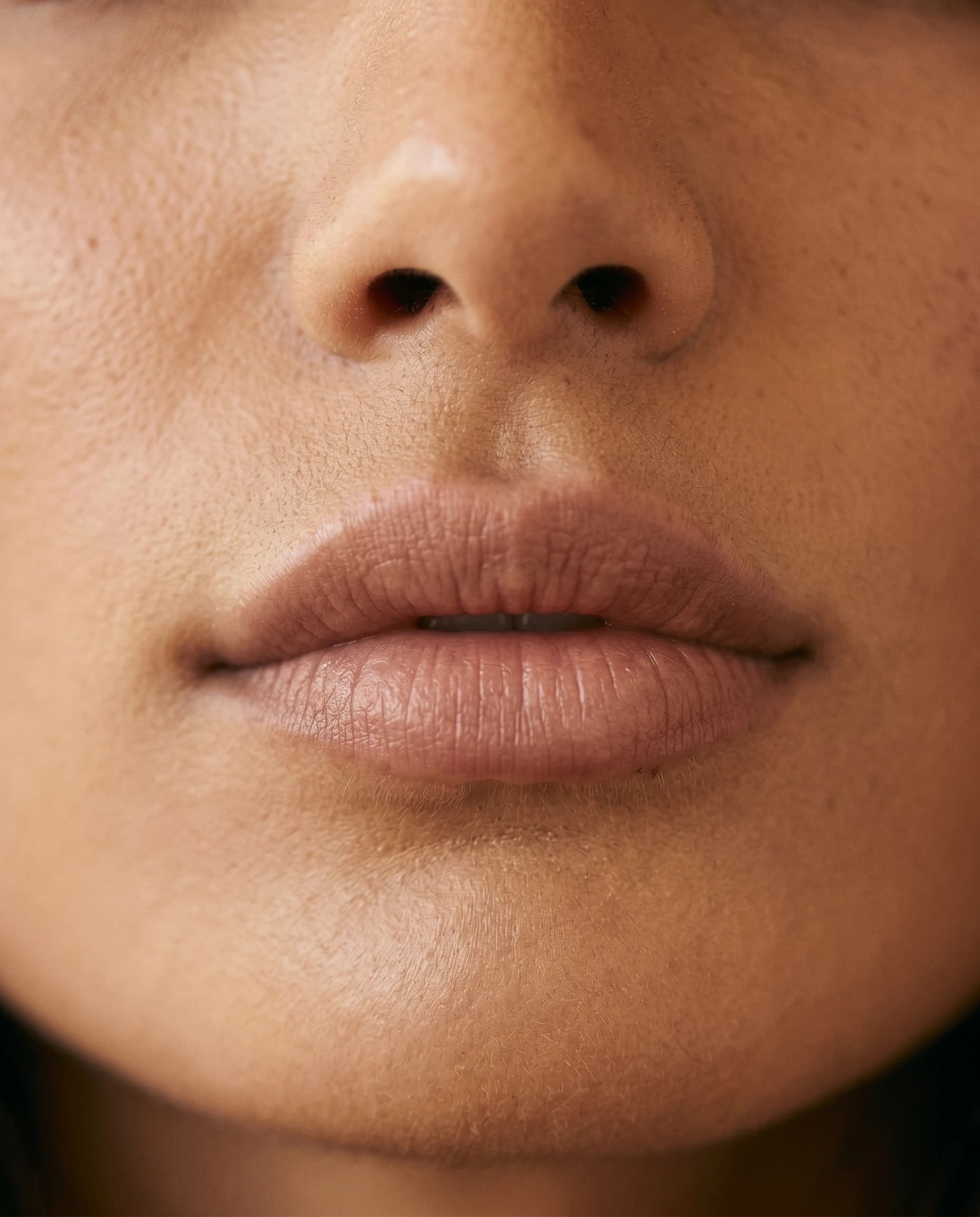
Bullhorn lip lift
Where the upper lip is long — a targeted lip-and-nose lift, often combinable in the same session.
Learn more

Facelift
Where there is additional laxity of the cheeks or neck — a more comprehensive facial rejuvenation.
Learn more
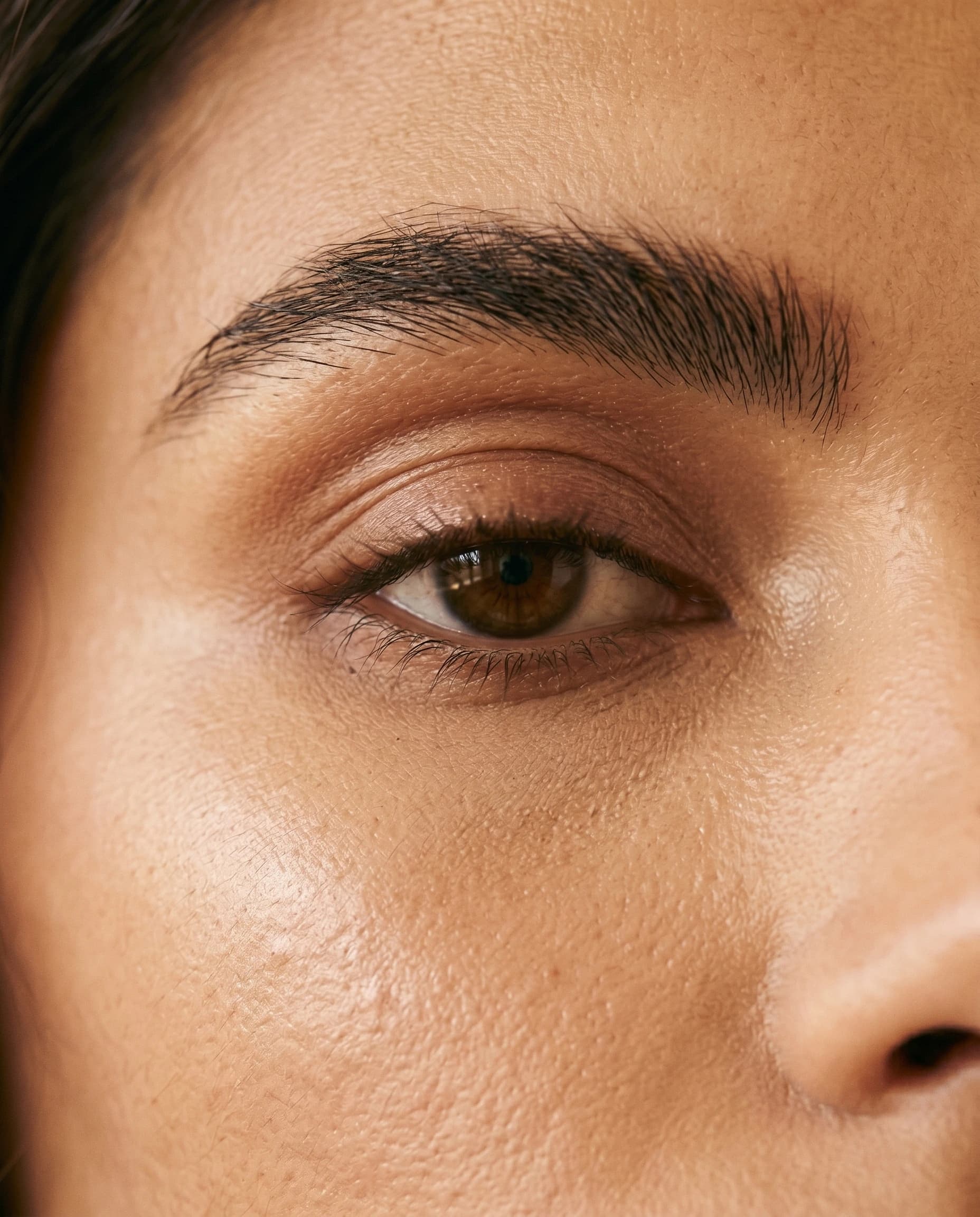
Upper eyelid surgery
Where there are hooded upper lids — completes the contouring of the face.
Learn more
In the consultation we establish what is possible — and what is not. In person at the Isartorplatz, unhurried, with no sales pressure.
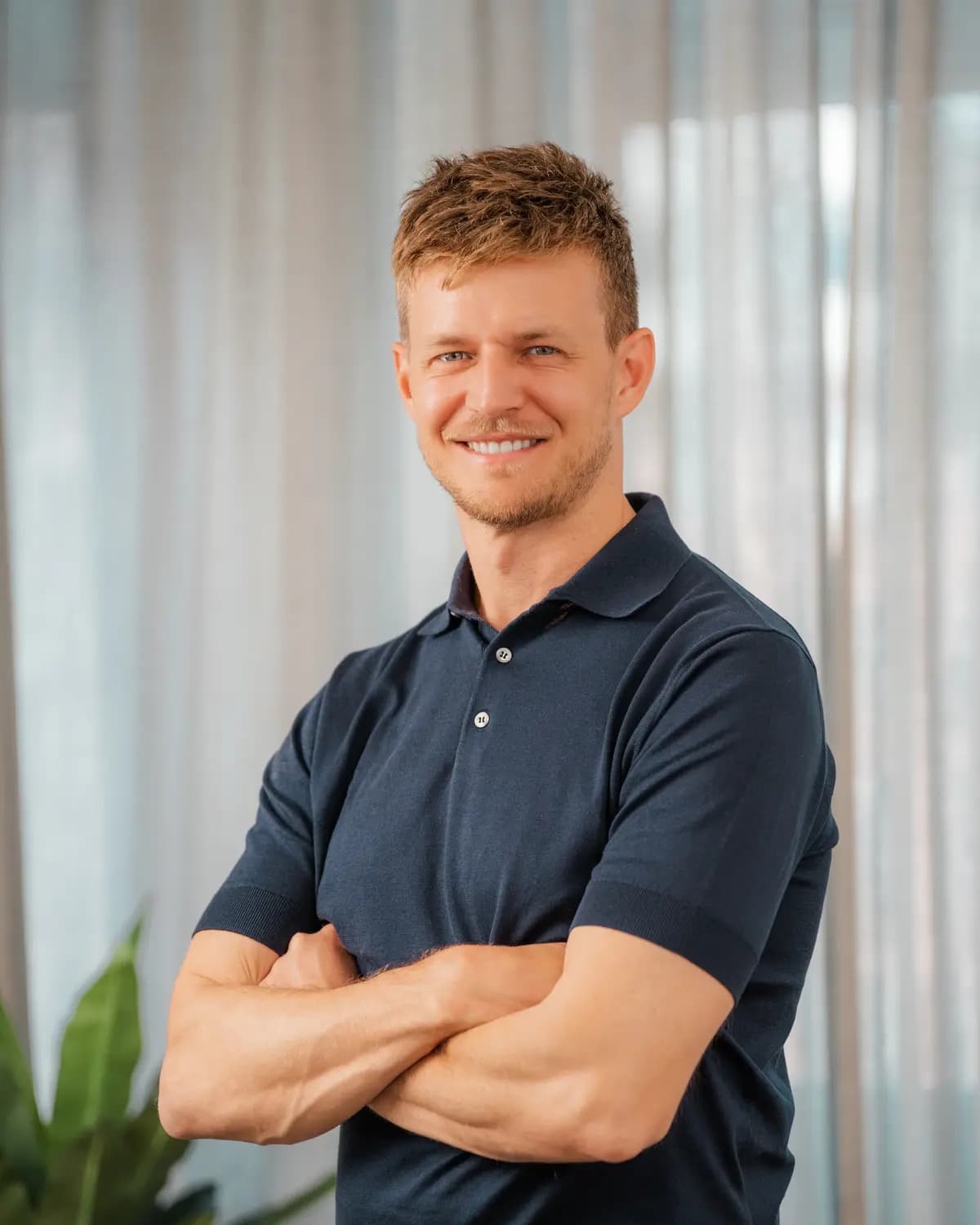
Dr. Fabian Weinschenk
Specialist in plastic and aesthetic surgery (Facharzt)