
Vampire lifting · your own plasma · approx. 60 min
Your own blood plasma activates skin regeneration, hair growth and the remodelling of scars. Without foreign substances, without allergy risk — in two to three sessions at a four- to six-week rhythm.
Treatment
What is PRP treatment (platelet-rich plasma)?
PRP treatment (platelet-rich plasma, also called vampire lifting or autologous blood therapy) is the non-surgical method with which we use the body's own blood plasma to stimulate skin regeneration, hair growth and the remodelling of scars. At the Ästhetik am Isartor practice in Munich we carry the treatment out under the medical direction of Dr. Fabian Weinschenk. From a small blood sample taken from the arm we obtain the platelet-rich plasma by centrifugation. This autologous concentrate contains growth factors (PDGF, TGF-β, VEGF, EGF) that are finely injected into the treatment area — face, neck, décolleté, backs of the hands or scalp — or worked in across the surface in combination with microneedling (Vampire Lift). A session takes about 60 minutes. Two to three sessions four to six weeks apart are recommended, followed by top-ups as required. Because the plasma is obtained exclusively from your own blood, there is no allergy risk of the kind that synthetic fillers carry.
Active substance: the patient's own platelet-rich plasma (PRP), obtained from a venous blood sample taken from the patient and concentrated by sterile centrifugation in a medical-device system licensed for PRP. The growth factors (PDGF, TGF-β, VEGF, EGF, IGF) come exclusively from the patient's own blood — this is neither a synthetic medicinal product nor a branded filler. For legal reasons (§ 8 HWG, the German Health Advertising Act, which prohibits advertising with the brand names of medical devices outside professional circles) we carry no brand advertising for the centrifuge system used on this website. Mandatory information under § 8 HWG is handed out in the personal informed-consent consultation.
Suitability
Who is PRP treatment (platelet-rich plasma) suitable for?
PRP activates the body's own repair mechanisms — connective-tissue cells are stimulated to produce collagen, hair follicles are stimulated into the growth phase, scar tissue is remodelled. Unlike synthetic fillers, PRP does not build volume artificially; it improves the quality and vitality of the skin from within.

Suitable for
PRP treatment is suitable for fine lines and early skin ageing (face, neck, décolleté) as a gentle biological procedure, for androgenetic hair loss in its early stages (men and women) to stimulate the hair follicles, for acne scars and atrophic scars to remodel the tissue, for loss of volume on the backs of the hands as a treatment complementing lipofilling, in combination with microneedling (Vampire Lift) to strengthen the skin-rejuvenating effect, and where there is a wish for a procedure using the body's own material without synthetic fillers. Preconditions: stable general health, sufficient haemoglobin (not an anaemic status), realistic expectations — PRP works step by step across several sessions, not as an immediate filling of volume.
Not suitable for
PRP treatment is not appropriate with blood-clotting disorders or active anticoagulation that cannot be paused, with acute infections or febrile illnesses, during an active herpes outbreak in the treatment area, in pregnancy or while breastfeeding, with a tendency to keloids (particularly in combination with microneedling), with haematological conditions (thrombocytopenia, leukaemia, severe anaemia) and where there is a wish for immediate volume — hyaluronic acid is the right procedure for that. We clarify the indication in detail in the initial consultation (€100).
Whether PRP makes sense for your indication, and whether a treatment on its own or the combination with microneedling (Vampire Lift) is indicated, is something we decide together in the personal initial consultation (€100).
Method
Three paths of application. One material from your own body.
Depending on the indication, PRP is either finely injected (wrinkle treatment, hair loss) or applied across the surface in combination with microneedling (Vampire Lift). The following three paths are the most frequent applications.
- Standard
Solo
PRP on its own (face / neck / décolleté)
- How it works
- The finest injection with 30G needles into the target area — stimulating collagen production via growth factors.
- Strength
- Improvement of skin texture, tone and fine lines · without foreign substances
- Areas
- Face, neck, décolleté, backs of the hands
- Minimally invasive
Vampire
Vampire Lift (PRP + microneedling)
- How it works
- Microneedling creates microscopically fine channels in the skin — PRP is then massaged in across the surface and penetrates the deeper layers.
- Strength
- The strongest visible skin-rejuvenating effect · at the same time remodelling of acne scars
- Areas
- Face (typically the whole face)
Hair
PRP for hair loss (scalp)
- How it works
- Fine injection into the scalp to stimulate the hair follicles into the growth phase.
- Strength
- An effect in early androgenetic hair loss · no medication
- Areas
- Scalp (hairline, crown and receding-temple areas)
Which path makes sense is something we decide individually — typically 2–3 sessions 4–6 weeks apart, followed by an annual top-up. Mandatory information under § 8 HWG is handed out in the informed-consent consultation.
From your own body
Only your own blood. No foreign substance in the tissue.
The PRP is obtained immediately before the treatment from a small blood sample taken from the arm — by sterile centrifugation in a closed medical-device system. What is introduced is exclusively your own plasma; no synthetic fillers, no bacterial products, no animal components. That makes PRP one of the safest procedures in aesthetic medicine — allergies are practically excluded.
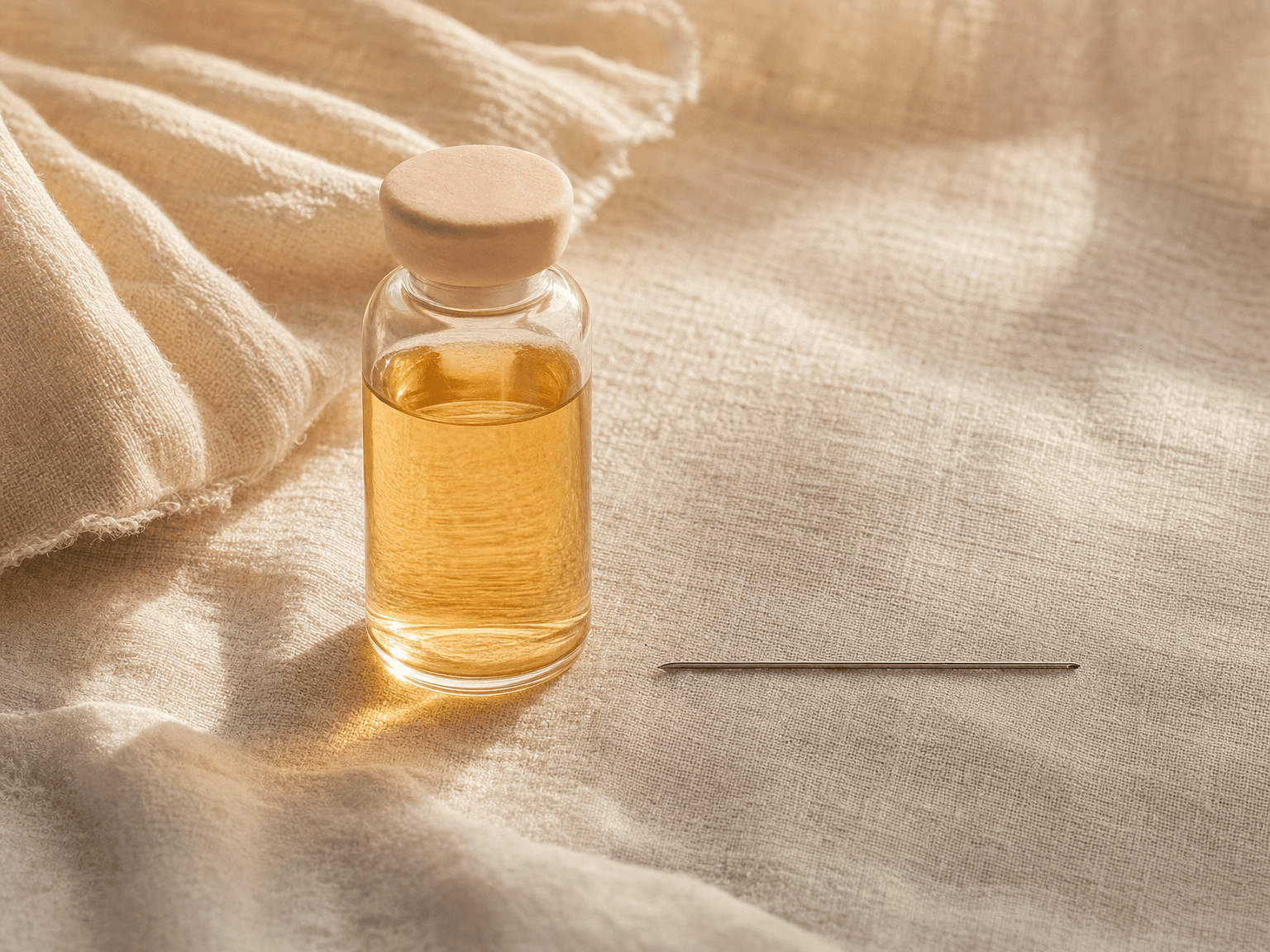
From your own body. Without foreign substances. A step-by-step effect across two to three sessions.
Procedure
How the procedure works
Four clearly separated steps — from the initial consultation through the blood draw and centrifugation to gentle aftercare with its 24-hour rules.
 Schritt 01approx. 45 min.
Consultation & clarifying the indication
In the personal initial consultation (€100) we clarify the indication (wrinkle treatment, hair loss, scars), pre-existing conditions and contraindications. We discuss whether a PRP session on its own or the combination with microneedling (Vampire Lift) makes sense, and how many sessions are realistic for your goal. Mandatory information under § 8 HWG is handed out.
 Schritt 02approx. 15 min.
Blood draw & centrifugation
A small blood sample (10–20 ml) is taken from the arm into special medical-device tubes licensed for PRP. The centrifugation takes place at the practice itself, in a sterile, closed centrifuge, over 8–10 minutes. The platelet-rich plasma separates at the top and is removed under sterile conditions.
 Schritt 03approx. 30–40 min.
Application (injection or Vampire Lift)
A local anaesthetic cream 20 minutes before application if you wish. PRP on its own: fine injection with 30G needles or microcannulas into precisely defined points of the target area. Vampire Lift: microneedling across the treatment area first — the PRP is then applied across the opened skin and massaged in gently. Typically 4–8 ml of PRP per session.
 Schritt 04
After the treatment
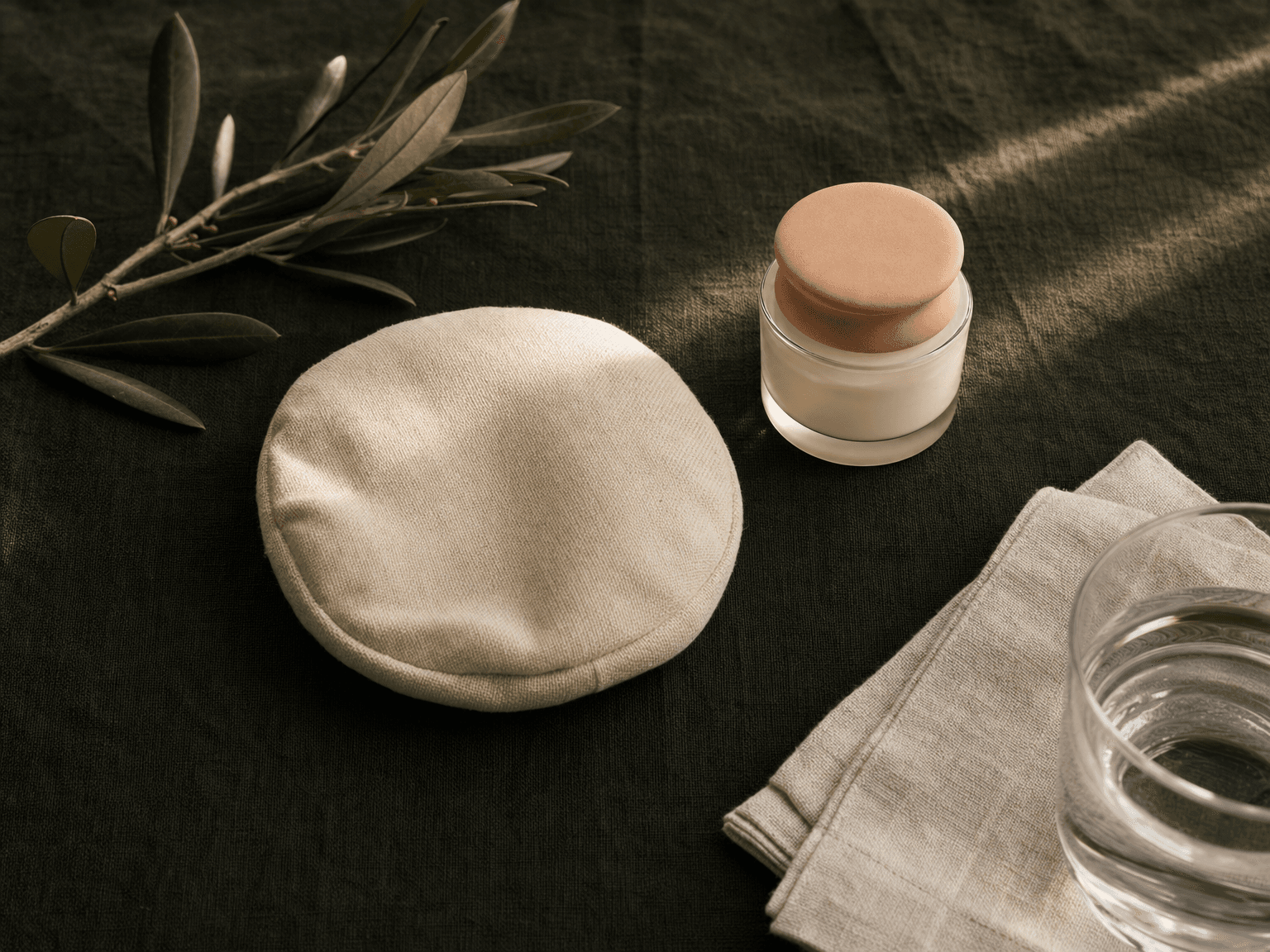
Make-up and sun protection possible after 6–12 h. For 24 h no exercise, no sauna, no intense sun, no alcohol, no massage of the treated area. Slight redness and swelling in the first 24–48 h is normal — it can be addressed with a cooling pad. Strict UV protection for 7 days. First effects visible after 2–4 weeks.
Facts
Key facts
- Type
- autologous blood, injectable, outpatient, carried out by a doctor
- Material
- the patient's own platelet-rich plasma (PRP)
- Sessions
- 2–3 (4–6 weeks apart)
- Duration per session
- approx. 60 min
- Anaesthesia
- anaesthetic cream on request
- Stay
- outpatient · presentable again shortly afterwards
- Make-up
- possible after 6–12 h
- Exercise / sauna / alcohol
- avoid for 24 hours
- UV protection
- strict protection for 7 days
- Effect sets in
- visible after 2–4 weeks
- Final result
- after 2–3 sessions
- Top-up
- typically 1× a year
- Allergy risk
- practically none (your own material)
- Consultation
- €100 · required before every treatment
Recovery
Recovery & final result
DAY
0.
Slight redness. No exercise.
Immediately after the treatment slight redness, swelling and a feeling of pressure in the treated area are normal. Avoid make-up for 6–12 h. For 24 h no exercise, no sauna, no intense sun, no alcohol, no massage of the treated area. After a Vampire Lift a gentle, fragrance-free moisturiser may be used.
DAY
1–3.
The redness recedes.
Swelling and redness subside within 1–3 days. After a Vampire Lift the skin can feel slightly dry or sandy in the first 24–48 h — that is part of the normal healing process following the micro-injuries.
WEEK
2–4.
First effects.
First effects show after 2–4 weeks — improved skin texture, finer pores, a discreet glow. With PRP for hair loss, first changes in hair structure are typically visible only after 8–12 weeks.
MONTH
2–3.
The second session.
In the typical treatment schedule the second session follows 4–6 weeks after the first — the cumulative effect builds up across the whole course of treatment.
MONTH
6–12.
Final result & top-up.
After 2–3 sessions the final result is reached. The effect lasts for several months. A top-up is typically recommended once a year, to maintain the biological effect.
Endergebnis
Final result after 2–3 sessions — a visible effect typically after 4–8 weeks. A top-up is typically needed 1× a year.
PRP works biologically and step by step — unlike a hyaluronic acid filler it does not deliver an immediate volume effect; it improves skin quality, tone and fine lines over weeks. We recommend completing the full course of treatment (2–3 sessions) in order to judge the effect fully.
The first days
Cool it. UV protection. No wine.
The first 24 hours can be supported with a cool pad against slight swelling. Strict UV protection for 7 days. For 24 hours no exercise, no sauna, no alcohol. A gentle, fragrance-free moisturiser is enough — do without acids (AHA, BHA, retinol) and peels for a week.
Consultation
100€
approx. 45 min · medical · mandatory before every treatment (§ 8 HWG)
Let us establish the indication together.
Which method suits your situation can only be established reliably in a personal examination and consultation.
What is included
- Examination & establishing the indication
- Choice of method, risks & alternatives
- Written cost estimate afterwards
Risks
Risks & informed consent
Because exclusively the patient's own plasma is used, PRP is among the safest procedures in aesthetic medicine. Allergies are practically excluded. All risks are documented in detail in the informed-consent consultation in accordance with § 8 HWG.
- General
Local redness at the puncture sites — temporary, subsiding within 1–3 days. Small bruises at the puncture sites or on the arm (the blood draw) — temporary, subsiding within 3–7 days. Slight swelling in the treatment area — typical in the first 24–48 h, can be cooled.
- Specific
Tenderness when the area is touched in the first days — subsides on its own. Temporarily dry or sandy-feeling skin after a Vampire Lift — part of the normal healing process, subsiding within 2–4 days. A vasovagal reaction (dizziness during the blood draw) — rare, addressed by lying quietly and taking fluids.
- Very rare
Infection at the puncture site — extremely rare with proper asepsis. Activation of a latent herpes simplex in the treatment area — where the history indicates it, preventive antiviral treatment applies. Keloid formation — only in combination with microneedling and with a tendency to keloids; the indication is clarified when the history is taken.
All individual risks are documented in detail during the personal informed-consent consultation in accordance with § 8 HWG (German Health Advertising Act).
Costs
Costs at a glance
PRP treatments start from €600 per session. Two to three sessions 4–6 weeks apart are recommended. The specific calculation depends on the size of the area and on whether procedures are combined (PRP on its own vs. Vampire Lift).
Starting price
from €600 per session
All starting prices are net · plus 19% VAT · excluding clinic fees for anaesthesia and overnight stay. Individual cost estimate in the personal initial consultation (€100).
Questions
Frequently asked questions
What does a PRP treatment cost in Munich?
PRP treatments start from €600 per session. Two to three sessions 4–6 weeks apart are recommended — the total budget for an initial course therefore typically lies between €1,200 and €1,800. You receive a specific calculation in the initial consultation (€100).
What is the difference between PRP and 'vampire lifting'?
It is the same procedure. 'Vampire lifting' is the popular marketing name for PRP treatment — both denote the use of the patient's own platelet-rich blood plasma. In medical usage, however, a distinction is drawn between PRP on its own (the finest injection) and the Vampire Lift (PRP in combination with microneedling — applied across the surface).
What is PRP used for?
Four main indications: (1) skin rejuvenation in the face, neck and décolleté — improving skin texture, tone and fine lines; (2) androgenetic hair loss in its early stages — stimulating the hair follicles; (3) acne scars and atrophic scars — remodelling the tissue; (4) loss of volume on the backs of the hands — complementing lipofilling. Which indication makes sense for you is something we clarify in the initial consultation.
How many sessions do I need?
In the standard schedule 2–3 sessions 4–6 weeks apart. The cumulative effect builds across the whole schedule — a single session as a rule does not deliver the full final result. Once the initial course is complete, a top-up is advisable typically once a year.
Is PRP safe? What risks are there?
PRP is among the safest procedures in aesthetic medicine, because exclusively the patient's own plasma is used — allergies are practically excluded. Local reactions (redness, small bruises at the puncture sites, slight swelling) are typical and subside within 1–7 days. Rarely: a vasovagal reaction during the blood draw. Very rarely: infection, reactivation of herpes, keloid formation (with a microneedling combination and a tendency to keloids).
Who is NOT suitable for a PRP treatment?
PRP is contraindicated with blood-clotting disorders or active anticoagulation, with acute infections or febrile illnesses, during an active herpes outbreak in the treatment area, in pregnancy and while breastfeeding, with a tendency to keloids (particularly with a microneedling combination) and with haematological conditions (thrombocytopenia, leukaemia, severe anaemia). Where you want immediate volume, hyaluronic acid is the right procedure.
PRP or hyaluronic acid — what is the difference?
Hyaluronic acid builds volume mechanically — visible immediately, lasting 6–12 months, synthetic (body-identical, reversible with hyaluronidase). PRP works biologically — step-by-step skin rejuvenation across 2–3 sessions, from your own body, no immediate volume. Where both a volume and a skin-quality problem are present, combining the two procedures can make sense; we discuss the right order in the initial consultation.
How quickly do you see results?
First effects typically after 2–4 weeks — improved skin texture and finer pores. The full final result shows once the 2–3 sessions are complete (a total of about 3 months). With PRP for hair loss, first changes in hair structure are typically visible only after 8–12 weeks.
Does the treatment hurt?
The blood draw corresponds to a standard venepuncture. For the application we apply a topical anaesthetic cream if you wish — the treatment is then well tolerable. During a Vampire Lift the microneedling feels like a light tingling or pricking; most patients describe it as 'unpleasant, but not painful'.
Can I combine PRP with other procedures?
Yes. Frequent combinations: PRP + microneedling (the Vampire Lift) as one treatment; PRP after a hyaluronic acid session for skin quality; PRP on the backs of the hands to complement lipofilling. Which combination makes sense when, and in which order, is something we plan individually in the initial consultation.
Why don't you show before-and-after photographs on your website?
For two reasons — one legal, one ethical. First, the German Heilmittelwerbegesetz (§ 11 HWG, the Health Advertising Act) prohibits advertising surgical plastic procedures with before-and-after photographs on publicly accessible websites — a rule in force since 2012 that protects patients from distorted promotional depictions. Second, we respect our patients' privacy: even where written consent exists, many would rather intimate photographs of their body did not circulate on the open web. What you can expect instead: in the personal initial consultation (€100) we show you anonymised examples from our own practice documentation — matched to your indication, your build and your aesthetic goal. Those images are shown with the written consent of the patients concerned, exclusively within the protected setting of the consultation, and are never published online. You get a realistic sense of what to expect without anyone having to give up their privacy for someone else's advertising.
What should I look for when choosing a doctor for aesthetic plastic surgery in Munich?
Three objective criteria help you get your bearings. First, the specialist qualification: "Facharzt für Plastische und Ästhetische Chirurgie" is a legally protected German specialist title requiring several years of specialist training — unlike general, unprotected descriptions such as "cosmetic surgeon". Second, membership of a medical professional society such as the DGPRÄC (the German Society of Plastic, Reconstructive and Aesthetic Surgeons), which requires binding professional standards and continuous further training. Third, the quality of the consultation: a reputable practice takes its time, is honest about risks, alternatives and realistically achievable results, and does not push you towards a decision. At Ästhetik am Isartor the medical direction lies with Dr. Fabian Weinschenk, specialist in plastic and aesthetic surgery (Facharzt) and a member of the DGPRÄC. Procedures are carried out personally by the specialist, and every treatment is preceded by a detailed medical informed-consent consultation (chargeable at €100).
Related
Related treatments

Hyaluronic acid treatment
Synthetic volume restoration for static lines — complementary to the biological effect of PRP on skin quality.
Learn more
Wrinkle injections (Botox)
Botulinum toxin for expression lines — it addresses movement lines, while PRP improves the underlying skin quality.
Learn more
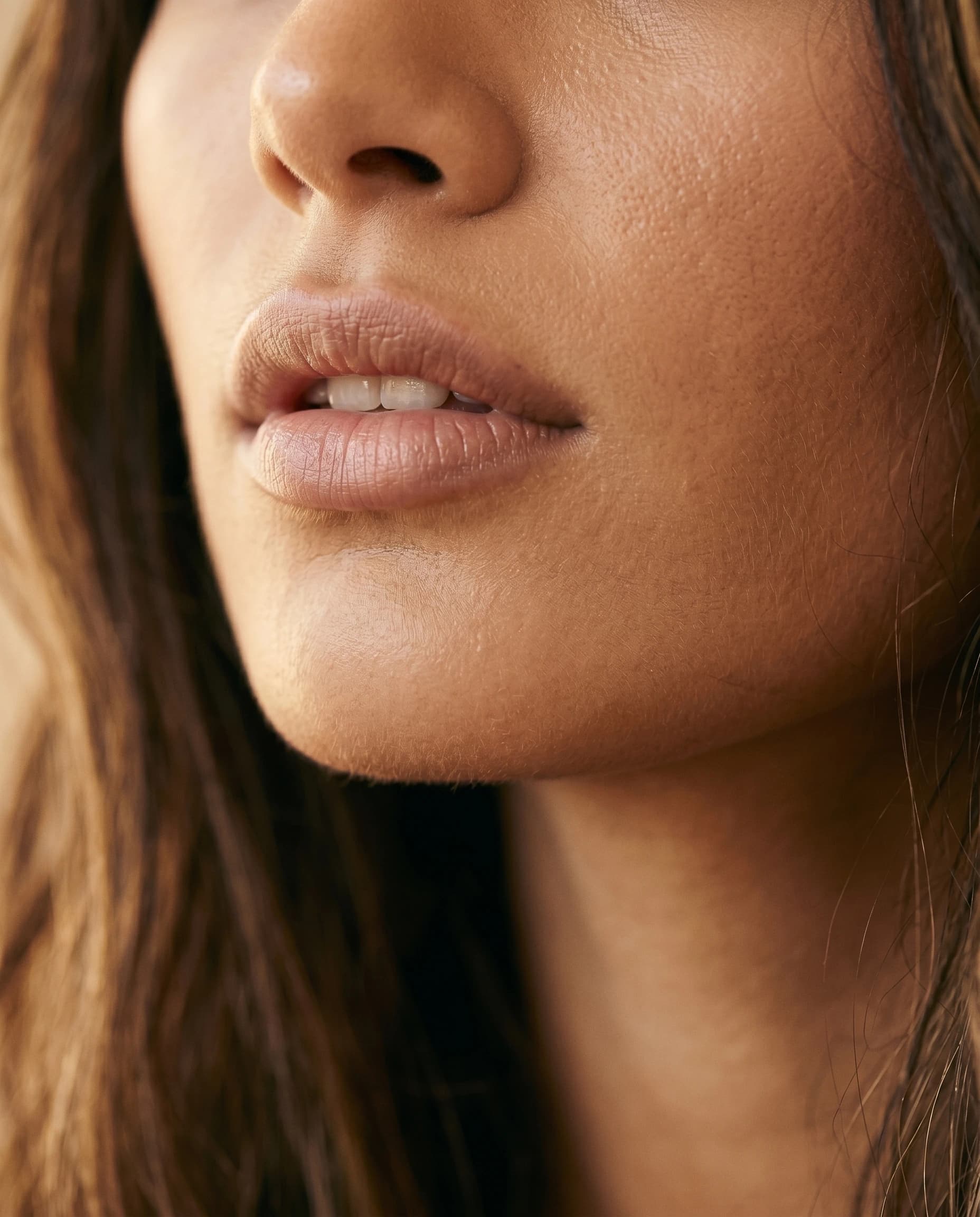
Lip fillers
Hyaluronic acid lip contouring — also in combination with PRP for the quality of the surrounding skin.
Learn more
In the consultation we establish what is possible — and what is not. In person at the Isartorplatz, unhurried, with no sales pressure.
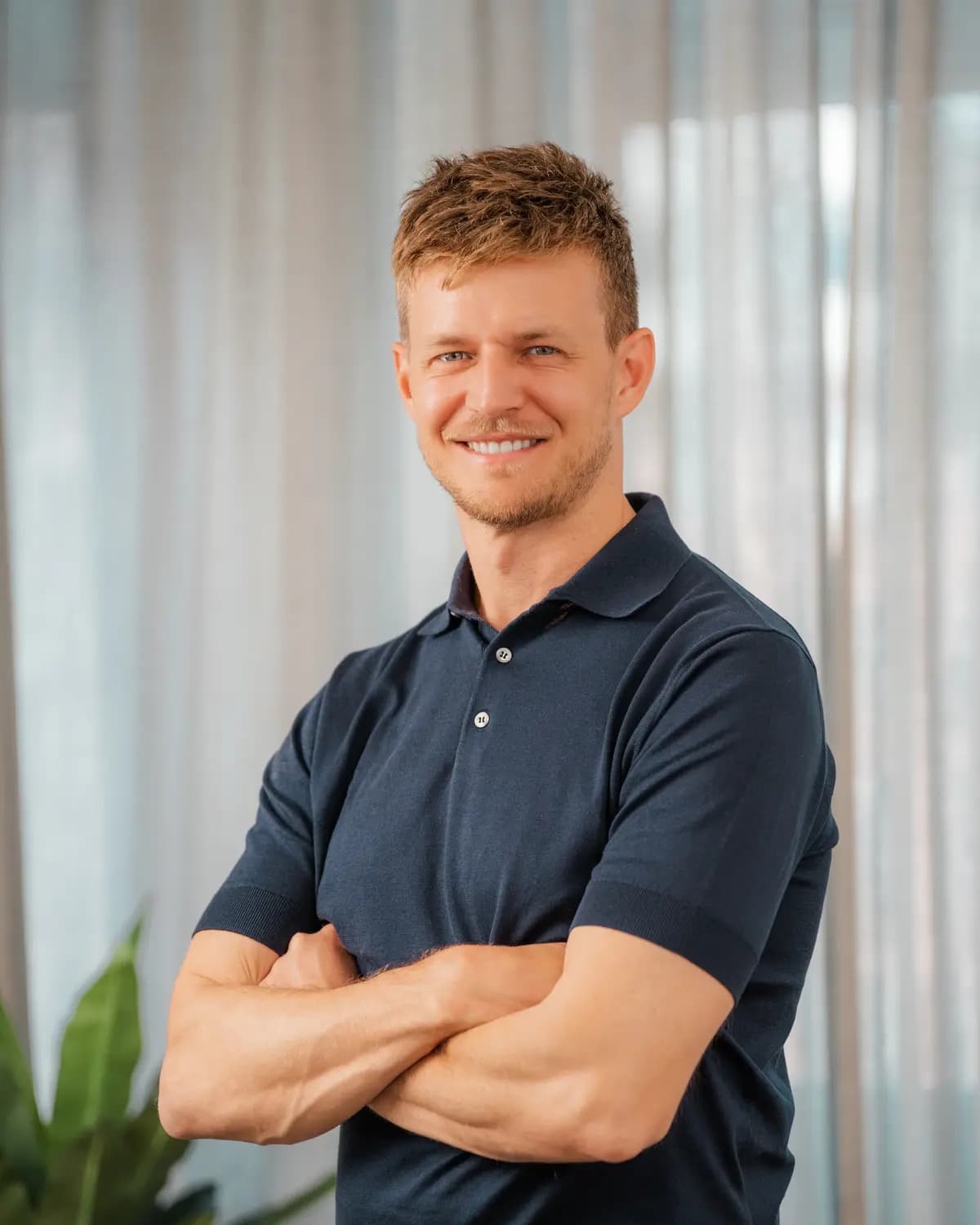
Dr. Fabian Weinschenk
Specialist in plastic and aesthetic surgery (Facharzt)